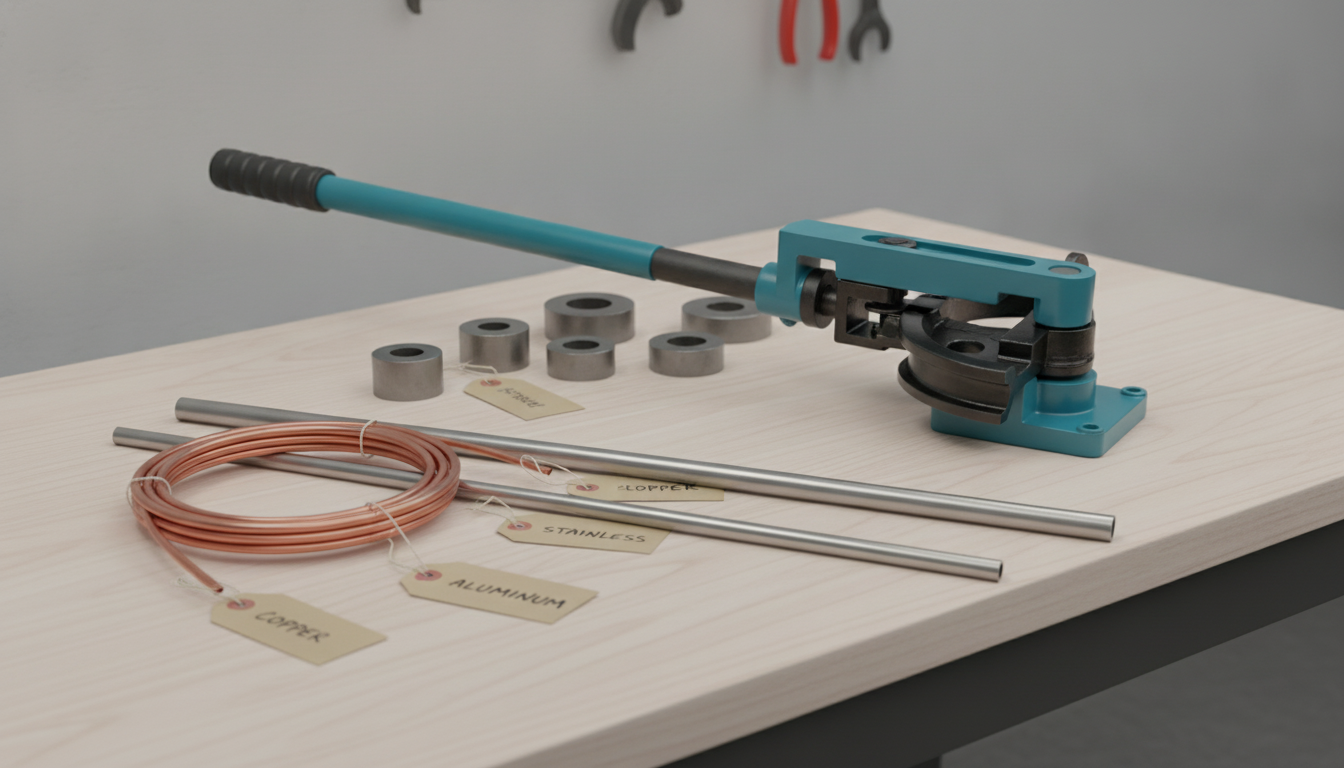
Tubing benders can be used on a wide range of metals, but the “right” metal depends on the bender type, the tube’s wall thickness, and how tight the bend radius needs to be. In general, most common tubing benders handle softer, more ductile metals easily, while harder alloys often require a heavier-duty bender and tighter process control to avoid flattening, wrinkling, or cracking.
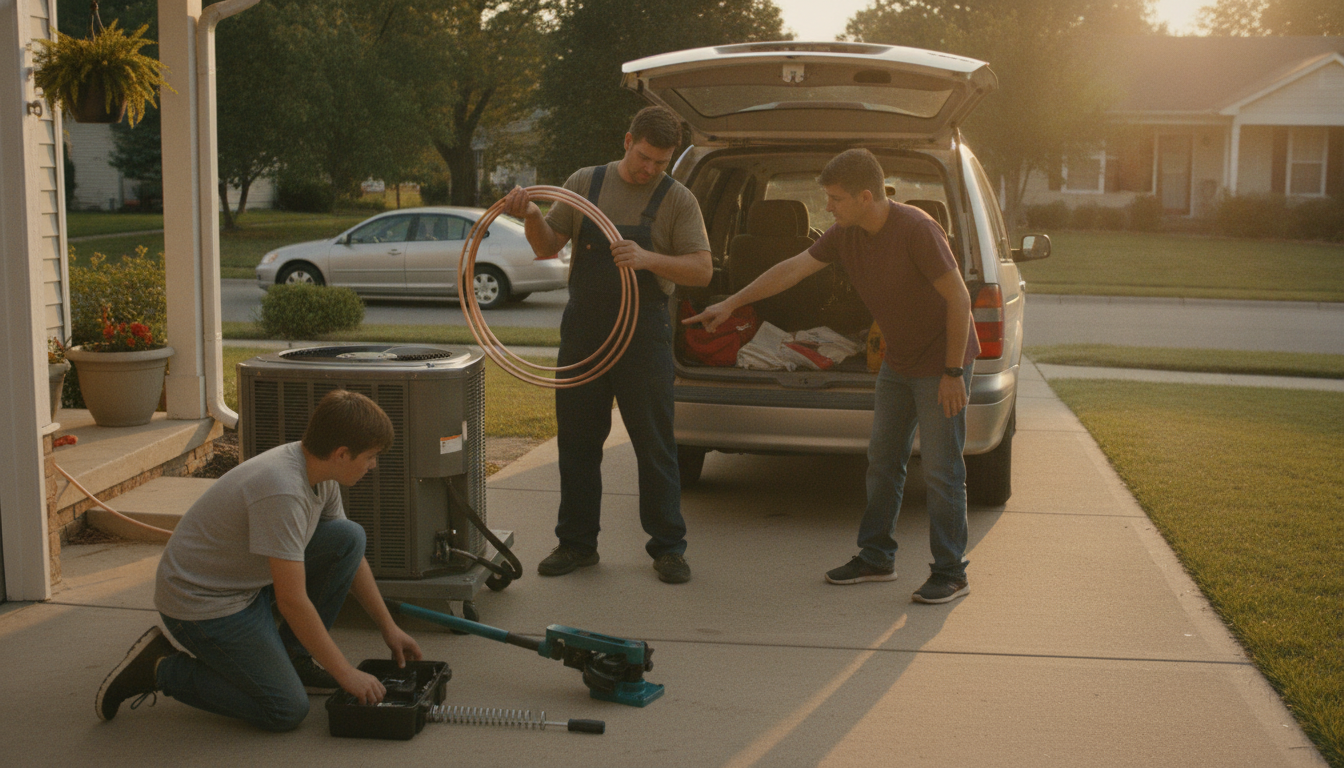
Copper is one of the easiest materials to bend, which is why it’s frequently used in plumbing and HVAC lines. A basic hand tubing bender often works well, especially when the tube is fully supported in the form.
Aluminum typically bends smoothly when the correct die size is used and the material isn’t overly brittle. Thin-wall aluminum can kink if it isn’t supported, so a bender with proper form blocks (or a mandrel-style approach for critical bends) is important.
Mild steel (low-carbon steel) is also commonly bent with standard tubing benders, though it usually needs more force than copper or aluminum. Consistent lubrication and a bender rated for steel help maintain a round cross-section.
Stainless steel can be bent, but it generally demands more torque and tends to “spring back” after bending. Using a quality bender with the correct radius die, and accounting for springback, is key for accurate results.
Thicker-wall steel tubing and high-strength alloys often require hydraulic benders or precision rotary-draw benders to prevent deformation. When wall thickness is low relative to diameter, support becomes even more important to keep bends clean.
Even a bend-friendly metal can fail if the bender doesn’t match the tubing size and radius. Poor fit, an undersized die, or an overly tight radius can cause kinks, ovaling, or surface cracking. For best results, use a bender designed for the specific tubing OD and material rating, and avoid forcing a tool beyond its intended capacity.
For more details on choosing the right tubing bender and what to expect from different materials, visit https://alazare.com/what-types-of-metal-should-tubing-benders-be-used-on/.
A tubing bender is designed to preserve the tube’s shape with minimal flattening, using dies sized to tubing outside diameter. Pipe benders are typically made for schedule pipe and may deform thin-wall tubing if used interchangeably.


Leave a comment