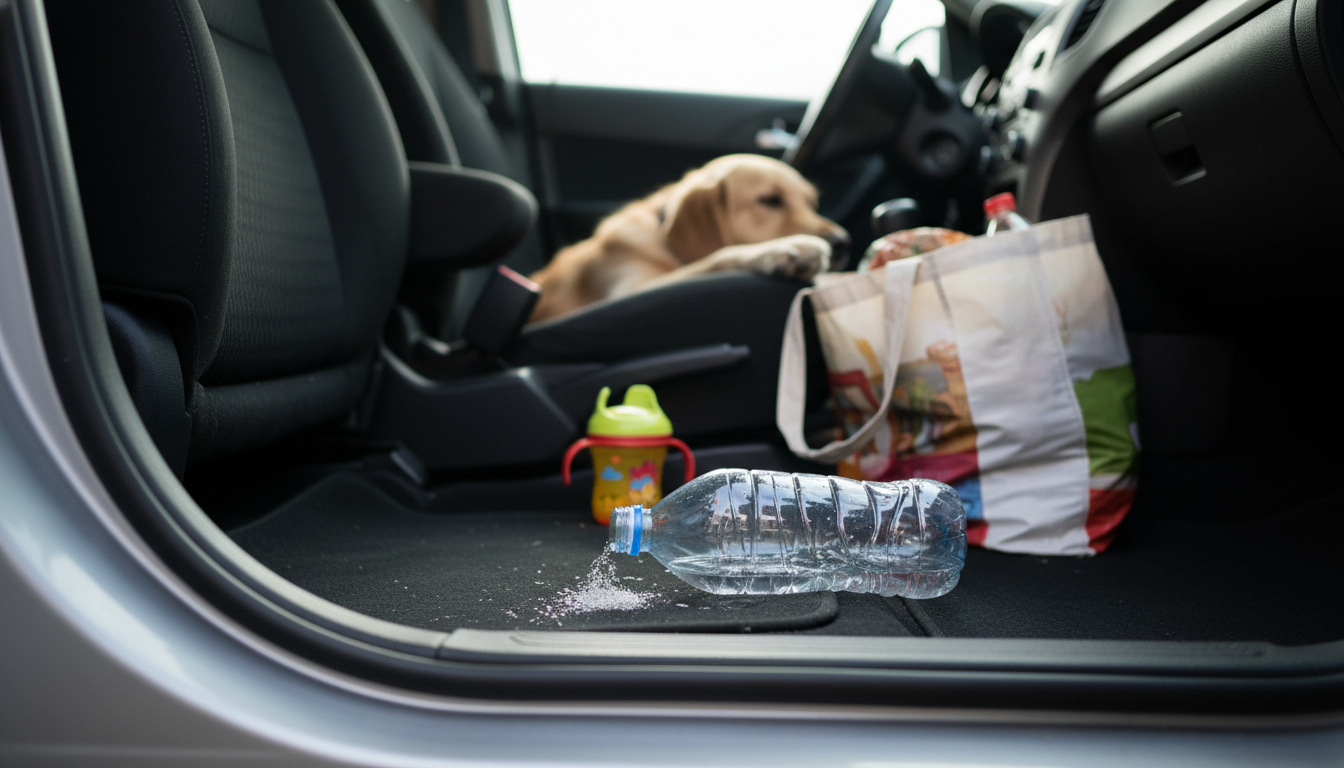
PET (polyethylene terephthalate) bottles can contribute to microplastic exposure, but the reality is nuanced. “Microplastics” generally refers to tiny plastic particles that can be present in water from multiple sources, including bottling, storage, transport, and the container itself. Some studies have detected microplastic particles in bottled water, and PET is one possible source among others.
Microplastics may enter bottled water when small particles shed from packaging materials. While PET is designed to be stable for food and drink, wear-and-tear can still happen. Physical stress (squeezing, drops, abrasion), exposure to heat (like a hot car), and long storage times can increase the likelihood of tiny fragments or residues being released. Caps and seals can also be a source, since they’re often made from different plastics than the bottle body.
No. Microplastics have been found in tap water, bottled water, and even in the environment where water is sourced. That means switching away from PET may reduce one potential source but won’t necessarily eliminate exposure entirely. The best approach is to focus on habits that reduce shedding and contamination wherever possible.
Use bottles that are in good condition, avoid reusing single-use PET bottles for long periods, and don’t expose plastic bottles to high heat. If you rely on a portable bottle daily, choosing a durable, reusable option and cleaning it properly can help limit buildup and wear. For a deeper, practical rundown on choosing, using, and cleaning a portable PET water bottle, visit this guide to portable PET water bottles.
For PET Bottles and Microplastics: What We Know, the best answer depends on fit, material, care instructions, and how the product will be used day to day.
Heat can accelerate material aging and increase the chance of components breaking down or shedding, especially if a bottle is repeatedly warmed and cooled. Keeping bottles out of hot cars and avoiding hot liquids in PET helps reduce that risk.





Leave a comment