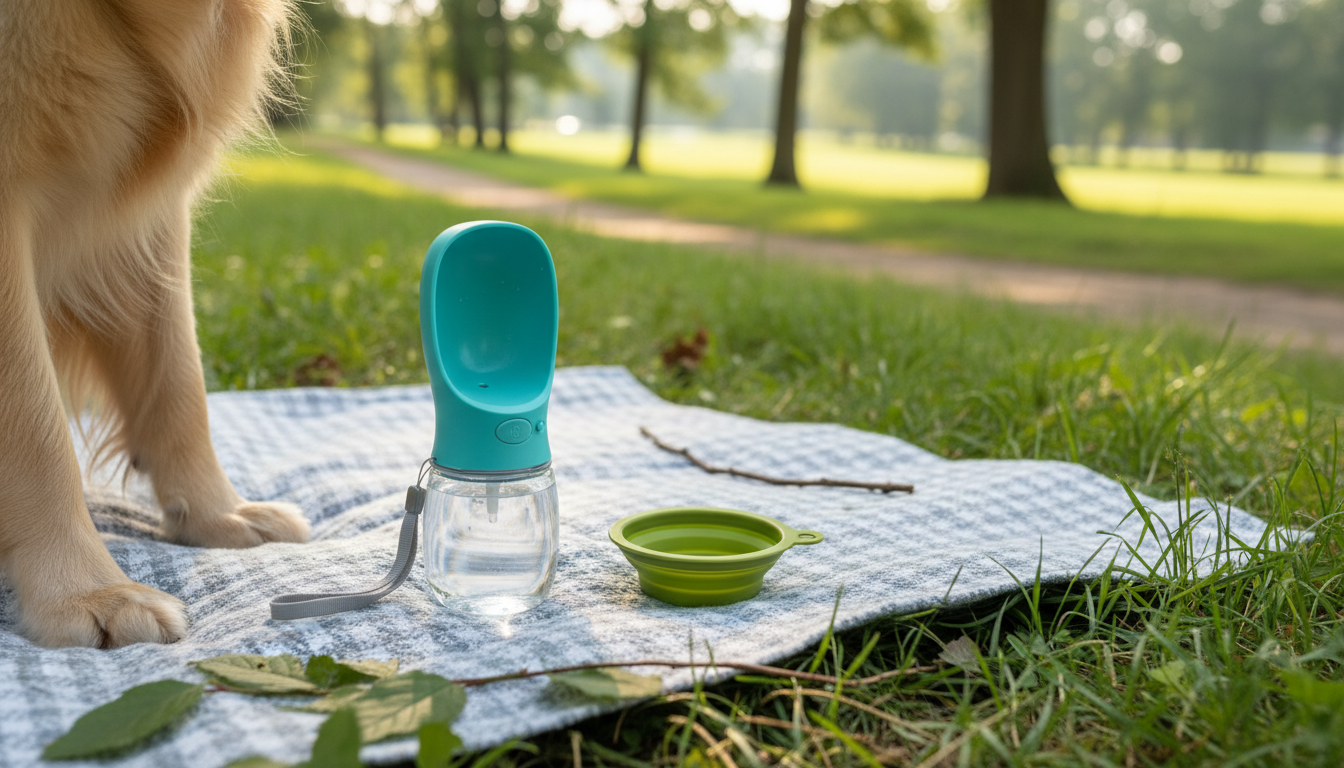
Keeping pets comfortably hydrated on the go is easier when water, a drinking tray, and a leak-resistant container are combined into one carry-friendly design. A portable pet water bottle helps you offer quick sips during exercise, reduce the mess of a separate bowl, and avoid relying on questionable shared sources. Below is a practical guide to when one helps most, what features matter for different outings, and how to use and clean it so fresh water is always available without wasting what your pet doesn’t drink.
Hydration needs can change quickly with heat, activity, and stress. A bottle with an integrated tray makes it simple to offer water before your pet gets overly thirsty.
If you’re unsure whether your dog is getting enough water during a hot day, review common dehydration warning signs from the American Kennel Club. For broader warm-weather precautions, the ASPCA also outlines practical safety steps for outdoor time.
Not every portable pet water bottle is equally comfortable to use in real-life situations like holding a leash, managing a backpack, or unloading the car. These details tend to matter the most:
| Use case | Recommended capacity range | Helpful features | Notes |
|---|---|---|---|
| Short walks (15–30 min) | 8–12 oz (250–350 ml) | One-hand pour, compact body, lock | Prioritize portability over maximum volume |
| Park trips (30–90 min) | 12–20 oz (350–600 ml) | Wide trough, leak-resistant seal | A wider drinking area can reduce drips |
| Hikes (2+ hours) | 20–27 oz (600–800 ml) | Strap/clip, easy cleaning, durable body | Plan for refill points and heat exposure |
| Car travel days | 12–20 oz (350–600 ml) | Cup-holder friendly shape, lock, no-drip spout | Offer small sips during stops |
| Cats / small pets | 6–12 oz (180–350 ml) | Gentle flow, smaller trough, easy control | Avoid fast flow that can startle |
A little technique goes a long way—especially with pets that get excited, gulp water, or feel nervous outside the home.
On especially hot days, shorten outings, avoid midday sun, and build in more frequent breaks. The AVMA hot weather safety guidance is a helpful reference for planning safer outdoor time.
Portable bottles are convenient, but they also collect saliva on the tray and around the spout area. Quick maintenance keeps the bottle pleasant to use and helps prevent lingering odors.
If you want an easy, all-in-one way to offer water during walks and travel stops, the Portable Pet Water Bottle is designed to combine a carry-friendly container with an integrated drinking tray for quick breaks.
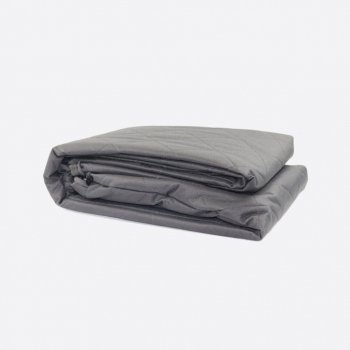
For car travel days, pairing hydration breaks with cleaner seating can make stops easier to manage. A Dog Car Seat Cover helps protect seats from wet paws and shedding, especially when your pet hops back in after a quick drink and stretch.
“PET” on bottles usually refers to polyethylene terephthalate plastic, not pet animals. It’s a common food-grade packaging material; for pet hydration gear, look for food-safe components and follow cleaning guidance to keep water fresh.
The best choice depends on your dog’s size and how long you’ll be out. Prioritize leak resistance, one-hand operation, easy cleaning, and a drinking tray your dog can comfortably lap from, then pick a capacity that matches your typical outing time and temperature.



Leave a comment