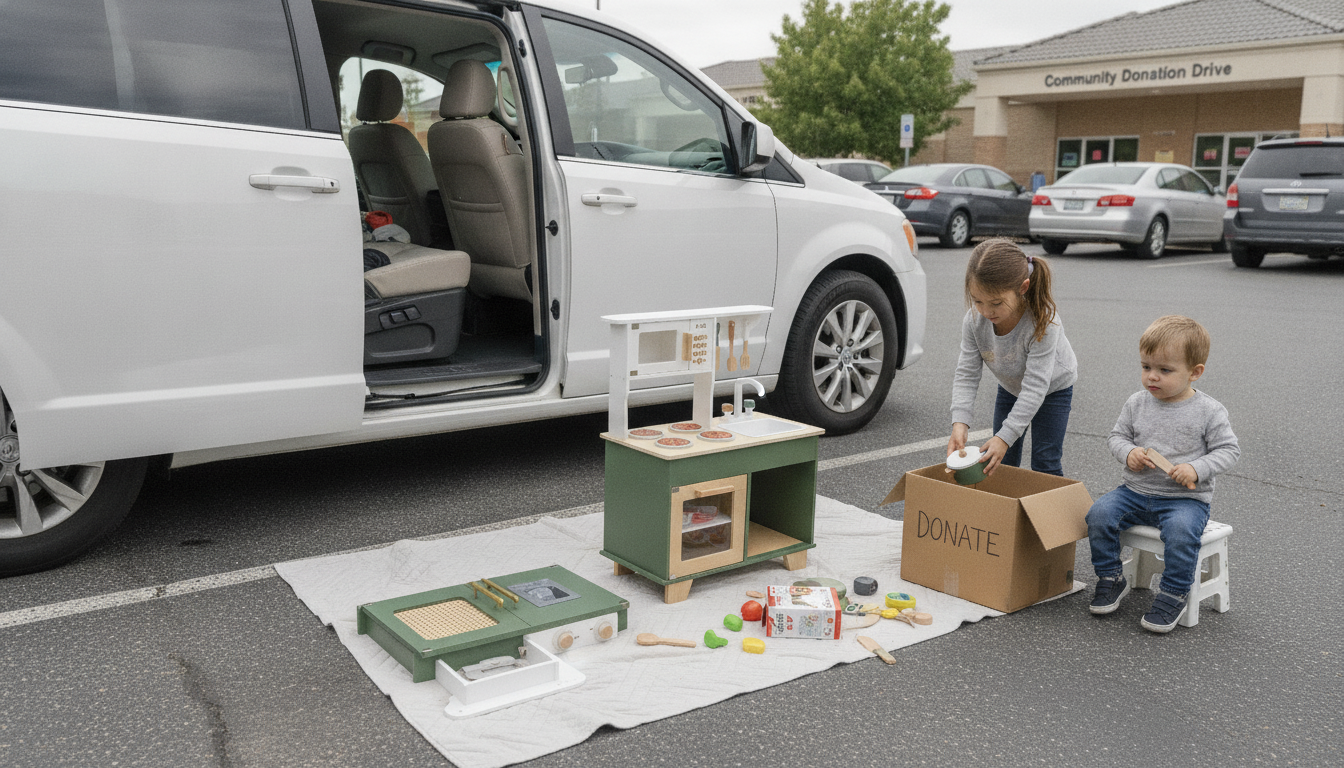
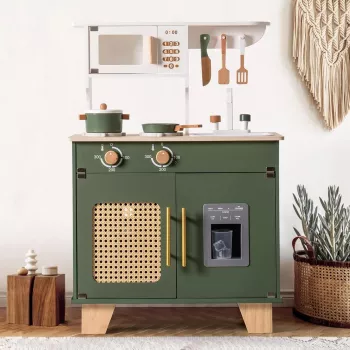
Most kids slow down on pretend kitchen play somewhere between ages 5 and 8, but there isn’t a single “stop” age. Interest tends to shift as school routines, sports, and screen-based entertainment compete for attention. That said, many children keep using play kitchens well past early elementary years—especially when the set is paired with fresh accessories, new pretend foods, or shared play with siblings and friends.
For toddlers (around 18 months to 3 years), pretend kitchens are mostly about copying actions: stirring, “pouring,” and opening doors. From about 3 to 5, the play becomes more imaginative—kids take orders, “cook” full meals, and role-play family routines. From 5 to 8, some kids continue, but play often becomes more social and story-driven (restaurant, cooking show, café) or they move toward more complex toys and activities.
Kids may step away from a play kitchen earlier if they prefer building sets, art, outdoor play, or games with clear rules. Limited space, missing pieces, or a kitchen that feels “babyish” can also shorten its lifespan. Sometimes it’s simply a phase change: children rotate through interests quickly as they grow.
Small updates can make a big difference: add real-looking grocery boxes (empty and clean), menus, a notepad for “orders,” play money, or themed sets like baking supplies or pizza night. Rotating accessories instead of keeping everything out at once can make the kitchen feel new again. If your child enjoys helping in the real kitchen, letting them “practice” with the toy alongside you can extend interest, too.
For a deeper look at ages, signs of readiness, and ways to get more mileage from your set, visit the full guide on pretend kitchen age ranges.
Set up simple prompts—like a “restaurant” order or a grocery list—and join for a few minutes to get the story started. Then step back and let your child take over so the play stays theirs.


Leave a comment