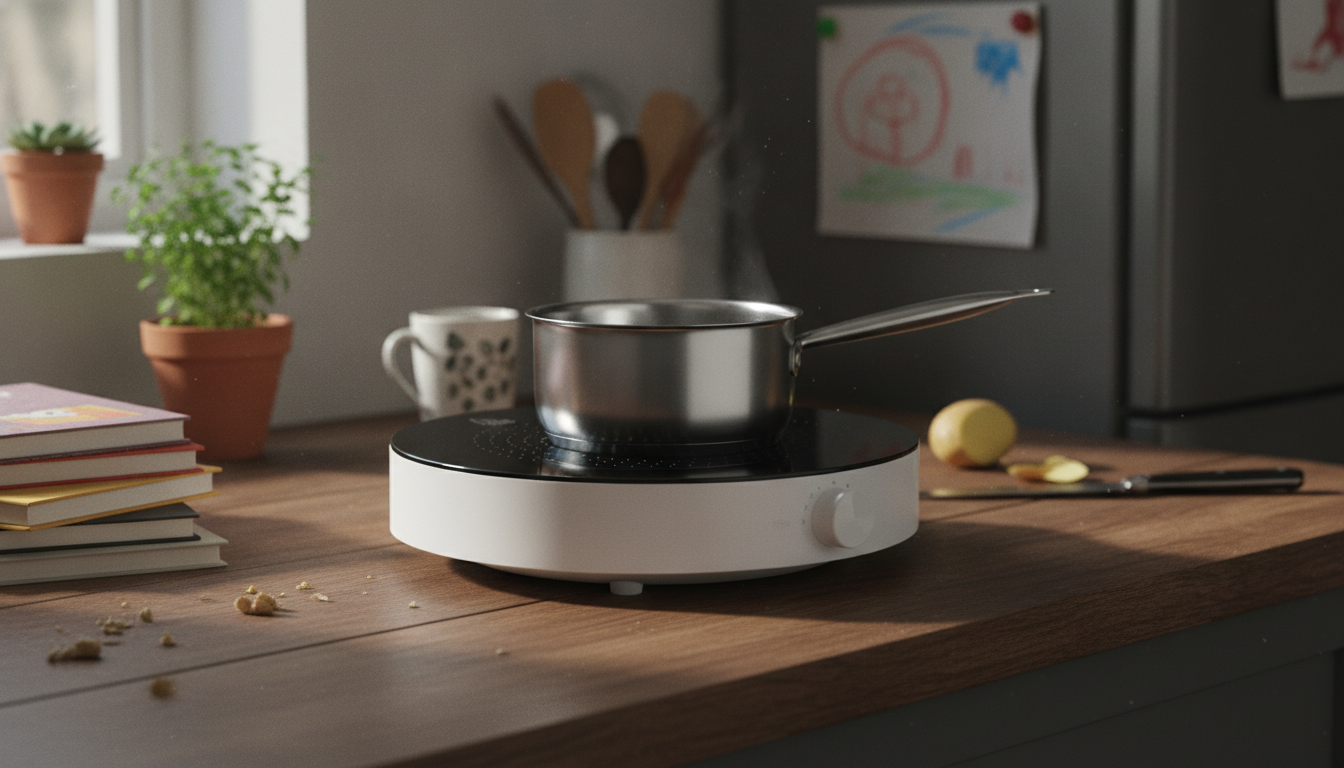
An induction cooktop is a type of electric cooktop that heats cookware directly using a magnetic field, rather than heating a coil or a glass surface first. Under the smooth top, a copper coil creates an electromagnetic current. When a compatible pot or pan is placed on the cooking zone, that energy transfers into the metal of the cookware, producing heat right where food cooks.
Induction relies on ferromagnetic cookware—materials like cast iron and many stainless steels that a magnet will stick to. The cooktop senses the pan, then energizes the coil to generate heat within the pan itself. Because the cookware is the primary heat source, temperature changes happen fast and are easier to fine-tune for simmering, searing, or melting.
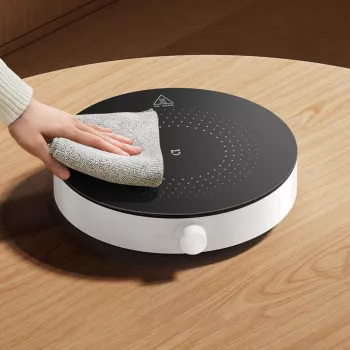
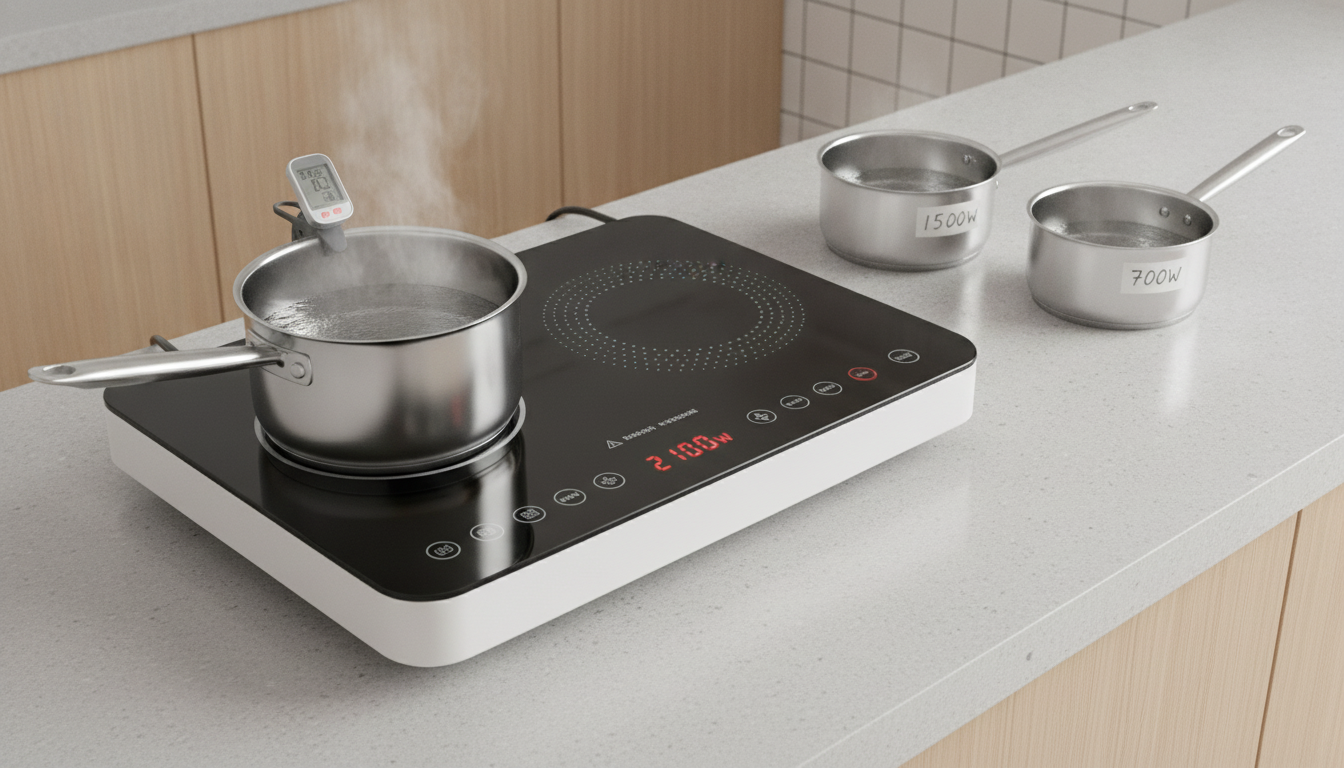
Induction is known for speed, efficiency, and control. Water often boils faster than on standard electric, and less heat is wasted into the air because the pan is doing the heating. The cooktop surface typically stays cooler than radiant electric, which can reduce accidental burns and make spill cleanup simpler—though the area under the pan can still get hot from residual heat.
To use induction, cookware must be magnetic. A quick test: if a fridge magnet clings firmly to the bottom, it should work. Some stainless pans are induction-ready, while aluminum and copper usually need an induction-compatible base. Flat-bottom pans perform best for consistent contact and even heating.
For a more detailed explanation of features, cookware tips, and what to expect day to day, visit this complete guide to induction cooktops.
For Induction Cooktop Explained: How It Works & Benefits, the best answer depends on fit, material, care instructions, and how the product will be used day to day.
No. Many induction units have a glass surface, but induction heats the pan with magnetic energy, while a traditional glass-top electric model heats a radiant element that then heats the cookware.



Leave a comment