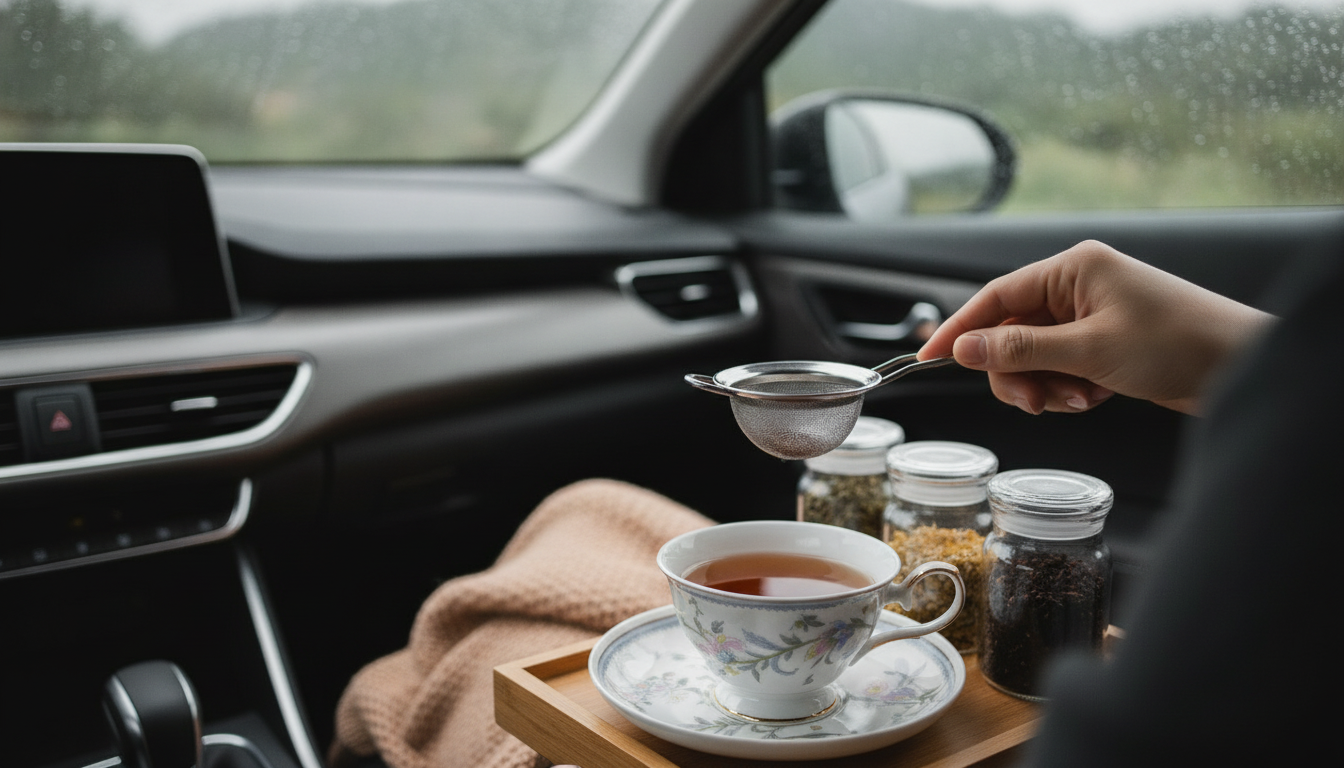
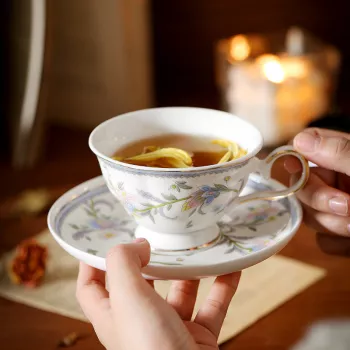
A 180ml porcelain cup is a sweet spot for teas that benefit from steady heat, a neutral surface, and a portion size that keeps flavor vivid from first sip to last. Porcelain doesn’t add metallic or earthy notes, so it’s especially friendly to nuanced leaves and aromatics. For black tea, green tea, and herbal infusions, the “best” choice comes down to how you like intensity, aroma, and temperature retention.
Black tea is one of the best matches for a 180ml porcelain cup because porcelain holds heat well and highlights malty, cocoa, or brisk citrus notes without muting them. This size also suits a classic single serving of breakfast-style blends, Assam, Ceylon, or Earl Grey—strong enough to satisfy, but not so large that the tea cools before you finish. If adding milk or lemon, the neutral porcelain keeps those additions tasting clean and balanced.
Green tea also shines in porcelain, particularly when you want a pure, uncolored taste and a gentle warmth that doesn’t spike too hot in the hand. A 180ml portion works well for Japanese sencha and many Chinese greens, letting fresh, grassy, nutty, or sweet notes stay crisp. Because green tea is more sensitive to overly hot water, the moderate cup volume helps you brew smaller batches more precisely and avoid bitterness.
Herbal teas are excellent in a 180ml porcelain cup when you’re steeping fragrant blends like peppermint, chamomile, rooibos, hibiscus, or ginger. The cup size is ideal for concentrated flavor and aroma—especially for florals and spices—while porcelain keeps the infusion tasting true. If you prefer a larger, mug-style herbal serving, you can still use a 180ml cup for a stronger, more intentional pour.
For more details on pairing tea styles with cup size and material, visit the main article.
Yes. Porcelain is non-reactive and tends to preserve a tea’s natural aroma and flavor, while some metals or porous materials can subtly shift taste or hold onto previous aromas.



Leave a comment