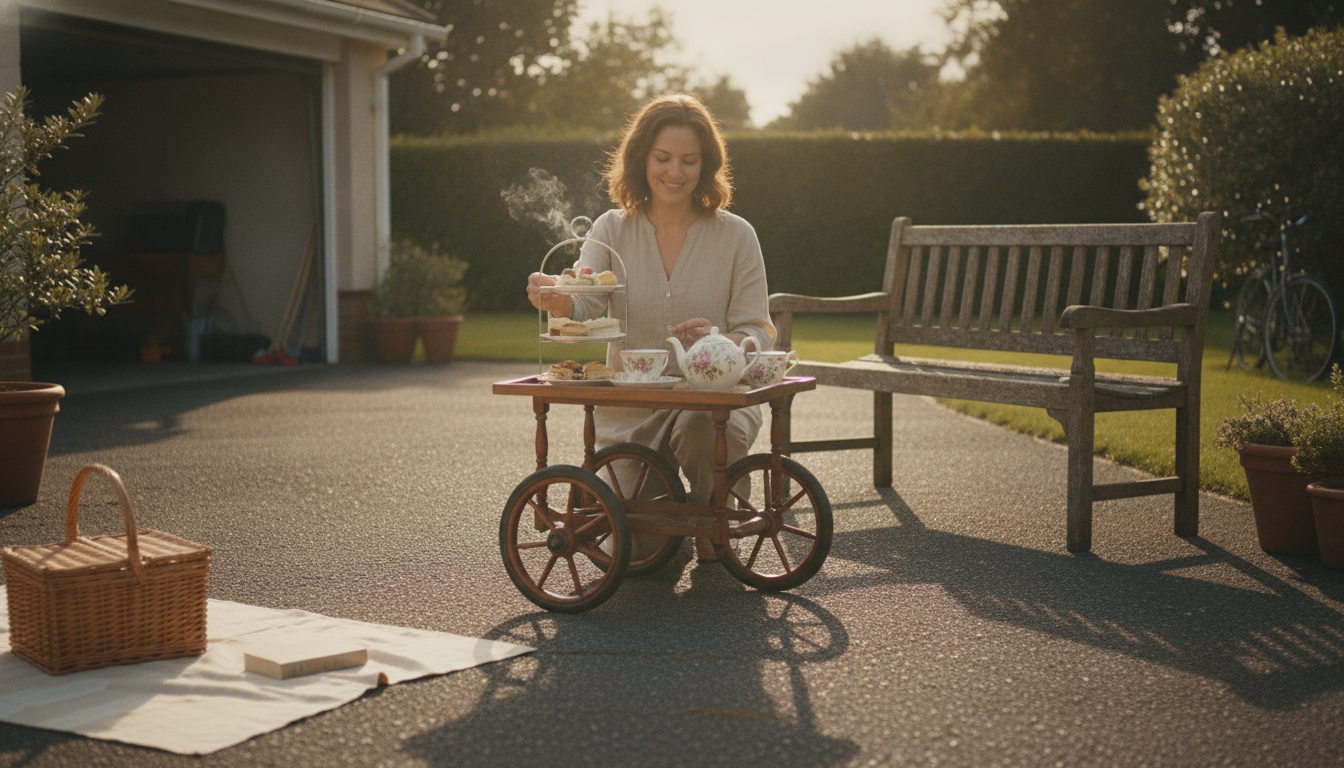
For a traditional English afternoon tea, 180ml is generally a practical “single serving” capacity—especially when tea is poured from a pot into cups in small rounds rather than filled to the brim once. It lands in the range many people associate with a classic teacup portion: enough to enjoy the aroma and warmth while still leaving room for a second pour (or a switch from one tea to another) without the drink going cold.
Yes, 180ml is typically suitable for an afternoon tea serving, but it depends on the cup style and how the tea is served. Many traditional teacups are designed for modest pours, and a 180ml capacity fits well for black teas commonly served at afternoon tea (like Assam, English Breakfast, or Earl Grey), particularly when paired with food where smaller sips are the norm.
That said, “capacity” and “pour” aren’t always the same. A cup that holds 180ml when filled to the rim might be poured closer to 140–160ml in practice for comfortable handling and to reduce spills. If service includes milk, lemon, or a little extra headspace, that slightly smaller pour can feel more balanced.
If the goal is a more leisurely, one-and-done drink (similar to a large café mug), 180ml may feel small. Traditional afternoon tea, however, often emphasizes multiple small pours from a teapot, keeping the tea fresh and hot while guests move between sandwiches, scones, and pastries.
180ml is a strong fit when you want a classic look, a lighter cup in the hand, and the flexibility to refill. It also pairs well with smaller teapots and standard saucers, keeping the table setting proportional—an understated but important part of traditional tea service.
For a deeper dive into typical capacities and how they compare across cup styles, visit the main article on 180ml tea servings.
A 500–900ml teapot typically pairs nicely, yielding about 3–5 comfortable pours depending on how full each cup is served. This keeps tea hot and allows easy refills during the course of afternoon tea.



Leave a comment