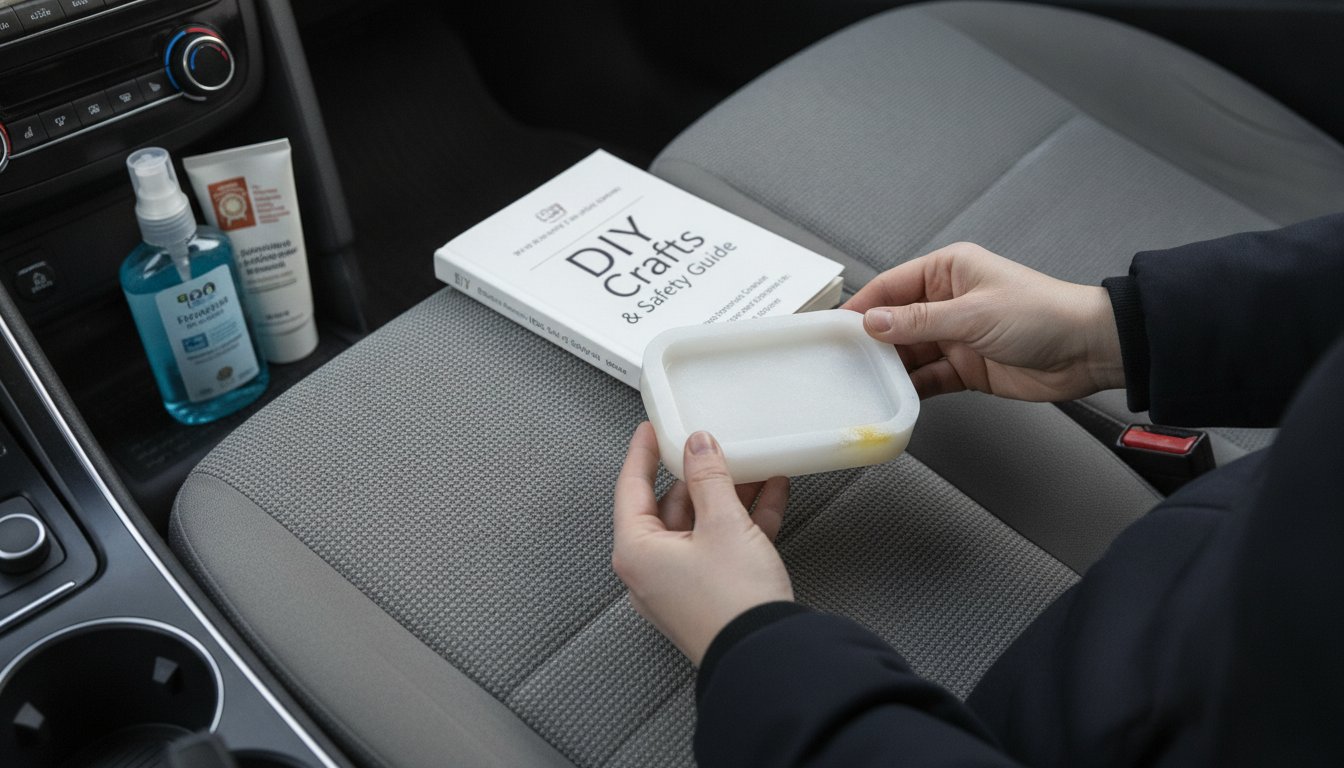
Yes—when it’s made with the right type of resin and properly cured, a resin soap dish is generally safe for everyday bathroom use. The key factors are the material used (most commonly epoxy resin), how completely it’s cured, and whether any additives or coatings could leach or irritate skin. Since a soap dish mostly has indirect contact with skin (via the soap bar), safety concerns are usually low, but quality still matters.
A resin soap dish should be non-porous, stable when wet, and free of tackiness or strong chemical odor. Fully cured resin becomes a hard plastic-like surface that doesn’t dissolve in water and is easy to wipe clean. If the dish stays slick, smells strongly after days of airing out, or feels rubbery, it may not be cured correctly and should be avoided.
Resin holds up well around sinks and showers, but it’s not meant for high heat. Don’t place a resin dish on a radiator, near a space heater, or in direct sunlight for long stretches, since heat can cause warping or yellowing over time. In normal bathroom conditions, it should remain stable and safe.
If someone in the household has sensitive skin, choose a dish from a maker that uses skin-safe pigments and seals any decorative elements properly. A smooth finish without flaking glitter, loose inserts, or shedding paint helps keep residue out of your soap and reduces irritation risk. Also, avoid products that don’t clearly describe materials or care instructions.
Resin is easy to maintain: rinse off soap buildup and wipe dry. Keeping the dish clean also prevents bacterial film that can develop on any damp surface. For a deeper dive into materials, curing, and everyday use, visit the main guide on resin soap dish safety.
Rinse with warm water, wash gently with mild dish soap, and wipe with a soft cloth. Avoid abrasive scrubbers and harsh solvents, which can dull the finish.





Leave a comment