
Accurate rough-in measurements help you choose a vanity that won’t interfere with the shutoff valves, supply lines, drain, or trap. Before you shop, gather a tape measure, a pencil, and a level, then clear everything out from under the sink so you can see the plumbing clearly.
All measurements should be taken from finished surfaces (tile/drywall and the finished floor), not from studs or subfloor. If you’re remodeling and finishes will change thickness, account for that so your final rough-in matches the vanity’s cutouts.
Find the drain stub-out coming from the wall (or floor, if applicable). Measure from the finished floor up to the center of the drain pipe for the drain height. Then measure from the side wall or a fixed reference point to the drain’s centerline to locate it left-to-right. If the vanity will be centered on a wall, confirm the drain centerline is centered too (or note the offset).
For each shutoff valve (hot on the left, cold on the right), measure from the finished floor to the center of the valve outlet (height). Then measure from the same side reference point to each valve centerline (left-to-right position). Also note how far the shutoff valves protrude from the wall; some tighter vanity drawers require extra clearance.
Even if the drain centerline is correct, the P-trap and water lines can conflict with drawers, shelves, or a rear stretcher. Compare your measurements to the vanity’s spec sheet, focusing on open-back areas, cutout zones, and drawer plumbing notches (if included).
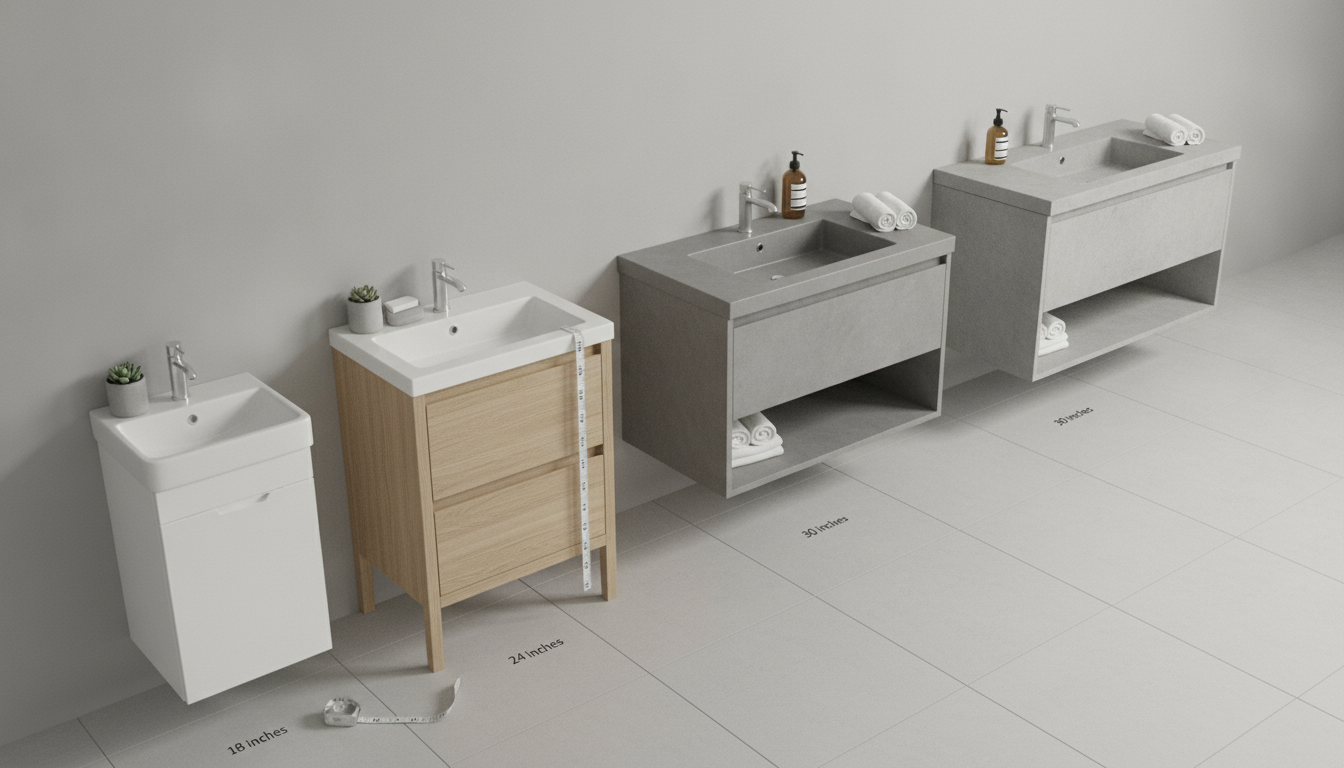
Measure the available wall space and baseboard depth, and verify the vanity width will sit where you expect. Small shifts can change whether plumbing lands in the cabinet’s open zone.
For a more detailed walkthrough and measurement tips you can follow step-by-step, see the main guide here: https://alazare.com/how-do-i-measure-plumbing-rough-in-and-drain-location-for-a-new-bathroom-vanity-cabinet/.
Minor offsets can often be handled with a trap arm adjustment or an offset drain fitting, but larger misalignments may require moving the drain stub-out to avoid slow drainage or cabinet interference.



Leave a comment