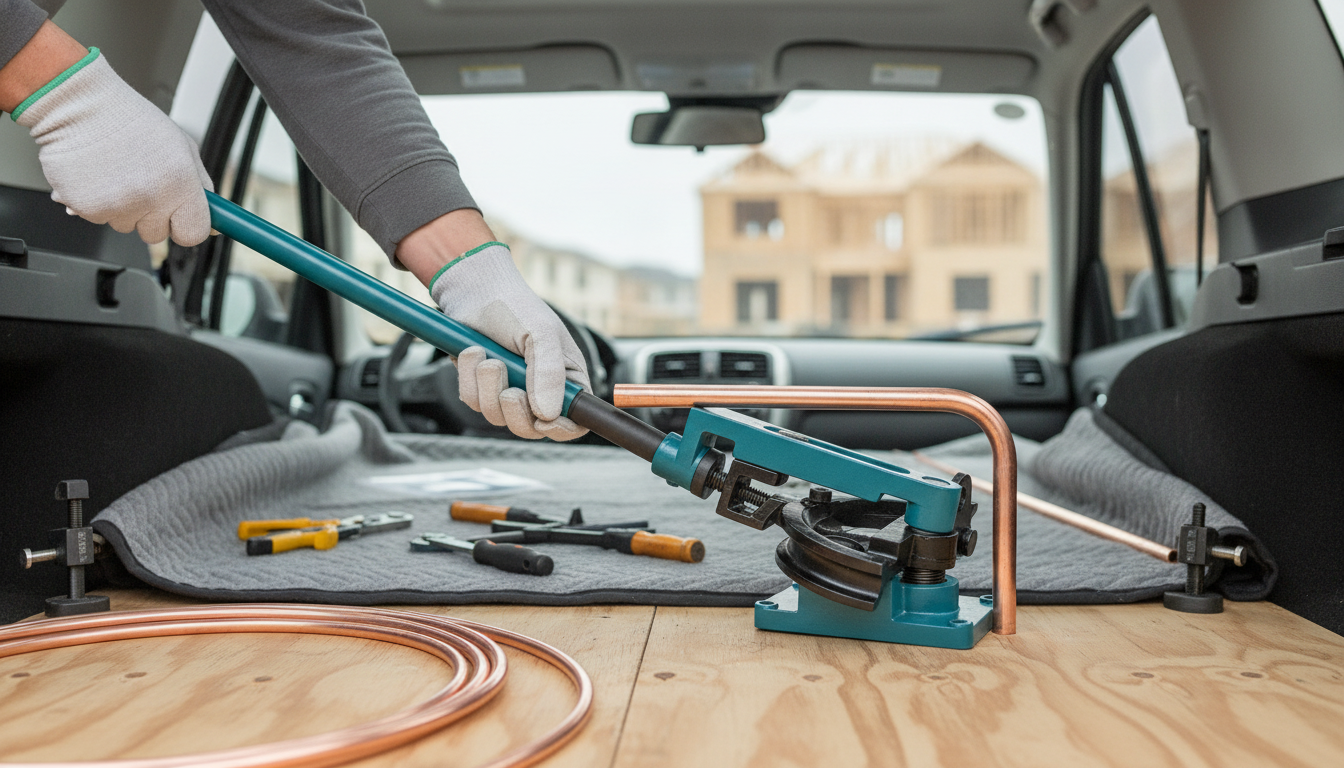
Yes—3/4 inch copper pipe can be bent, but it takes the right method to avoid kinks, flattening, or cracking. The bigger diameter and thicker walls (especially with rigid “hard-drawn” pipe) make it less forgiving than smaller tubing, so using supportive tools and proper technique matters.
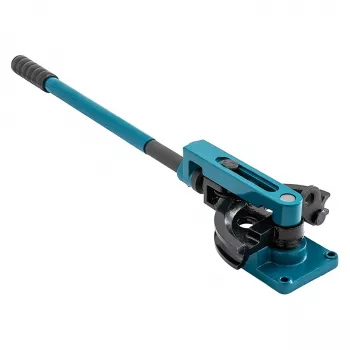
A quality bender sized for 3/4 inch copper is the cleanest option for smooth, repeatable bends. It supports the outside of the curve while forming the radius, which reduces the chance of collapsing the pipe. This is especially helpful for tight spaces or when you need a precise angle.
For gentle bends without a bender, packing the pipe with dry, fine sand and plugging both ends can help it hold its shape during bending. The sand supports the walls internally and reduces flattening. Bend slowly and evenly; sudden force is what typically causes kinks.
Annealing (heating the copper to soften it) can make bending easier, particularly if you’re working with hard copper. Even heat and patience are key; overheating can discolor the pipe and may affect nearby soldered joints or finishes. Let it cool naturally before handling, and keep safety gear on hand.
Avoid trying to bend 3/4 inch copper by hand without support—this is the fastest route to a flattened bend. Also, don’t force an extremely tight radius; larger diameters generally need a wider bend radius to stay round. If a kink starts, stop and reassess; continuing usually worsens the damage.
For step-by-step guidance, tool recommendations, and bend-radius considerations, read the full guide here: https://alazare.com/can-you-bend-inch-copper-pipe/.
Soft (annealed) copper is easiest to bend because it’s more flexible and less likely to kink. Hard copper can still be bent, but it usually requires a proper bender and sometimes annealing for best results.





Leave a comment