
How tight you can bend 1/2-inch copper tubing depends on the tube’s type (soft vs. hard), the tool you use, and how much risk of flattening or kinking is acceptable. As a practical rule, 1/2-inch nominal copper (typically 5/8-inch outside diameter) bends cleanly when the centerline bend radius is kept around 2 inches or larger, especially with a proper tubing bender.
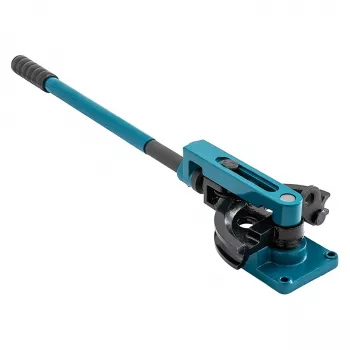
With a quality lever-style tubing bender sized for 1/2-inch copper, you can often achieve a tight bend close to about a 1-7/8 to 2-1/2 inch centerline radius (roughly 3–4 times the tube’s outside diameter). This range is where most people get smooth bends without noticeable wrinkling.
Soft/annealed copper (usually sold in coils) is much more forgiving and can be bent tighter without cracking. Hard-drawn copper (commonly sold in straight lengths) resists bending and is more likely to kink unless you use the right bender—and even then, it generally needs a larger radius to stay round.
Pushing the radius too small commonly causes the tubing to oval, flatten, or kink. Even a “barely kinked” line can restrict flow and create a weak spot that may split later from vibration, temperature cycling, or pressure changes.
Use a dedicated 1/2-inch tubing bender, keep the tube supported, and bend slowly in one continuous motion. If you need a turn tighter than your bender can handle, it’s usually better to use an elbow fitting rather than forcing the tubing. For additional details and examples, see the full guide here: https://alazare.com/how-tight-can-you-bend-copper-tubing/.
Soft copper is already annealed and usually doesn’t need additional heat. Hard-drawn copper can sometimes be annealed to make bending easier, but overheating, oxidation, and inconsistent softening can create new problems, so many installers prefer using the correct bender or switching to fittings instead.




Leave a comment