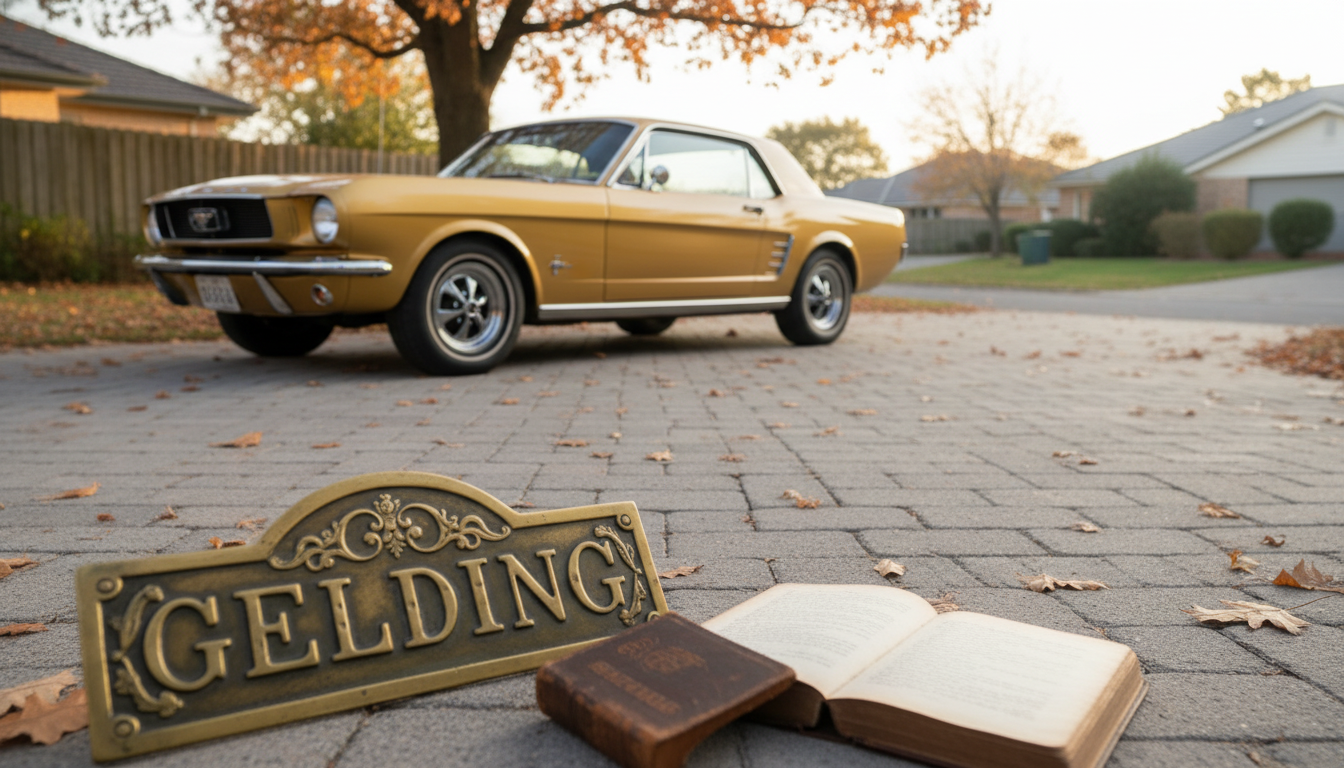
“Golden Square” is one of those place names that sounds celebratory, but its roots are more practical—and a little messy. The best-supported explanation is that the name likely evolved from an earlier spelling or pronunciation, most commonly cited as “Gelding Square” (or a similar variant). Over time, local usage and written records can smooth out unfamiliar words into something more recognizable. “Golden” is an easy, familiar word, so it’s the kind of change that can stick once it appears on maps, leases, and signs.
That kind of shift isn’t unusual in older cities where neighborhoods developed in stages. As land changed hands and new buildings replaced old fields or estates, names were reused, misspelled, shortened, or “improved” to sound nicer. A term tied to a former land use or a family name can gradually turn into something that feels more flattering or marketable, even if the original meaning had nothing to do with actual gold.
Another reason the name endures is that “Golden Square” simply sounds like a desirable address. As the surrounding area grew in reputation and value, the polished version of the name would have felt natural to keep. Regardless of which early form you start from, the modern name reflects that long process of everyday speech, official paperwork, and neighborhood identity reinforcing one another until one version becomes permanent.
For a deeper dive into the most likely origin, including the leading historical references and how the name appears across sources, visit the main guide here: https://alazare.com/why-is-it-called-golden-square/.
For Golden Square Name Origin: From “Gelding” to “Golden”, the best answer depends on fit, material, care instructions, and how the product will be used day to day.
Checking those details first helps avoid a poor match and keeps the choice practical after delivery.
The best-known Golden Square is in Soho, central London, a small public garden square surrounded by streets lined with shops, offices, and restaurants.






Leave a comment