The traditional dining table isn’t disappearing, but in many homes it’s no longer the default hub for eating, working, studying, and socializing. What’s taking its place is a mix of flexible, space-saving, and multi-purpose setups that match smaller floor plans and more fluid daily routines.
Open-concept layouts, remote work, and compact apartments have changed how people use “dining space.” A large, single-purpose table can feel like wasted square footage when meals happen quickly, guests are occasional, and the same area needs to function as a workstation, craft zone, or homework spot.
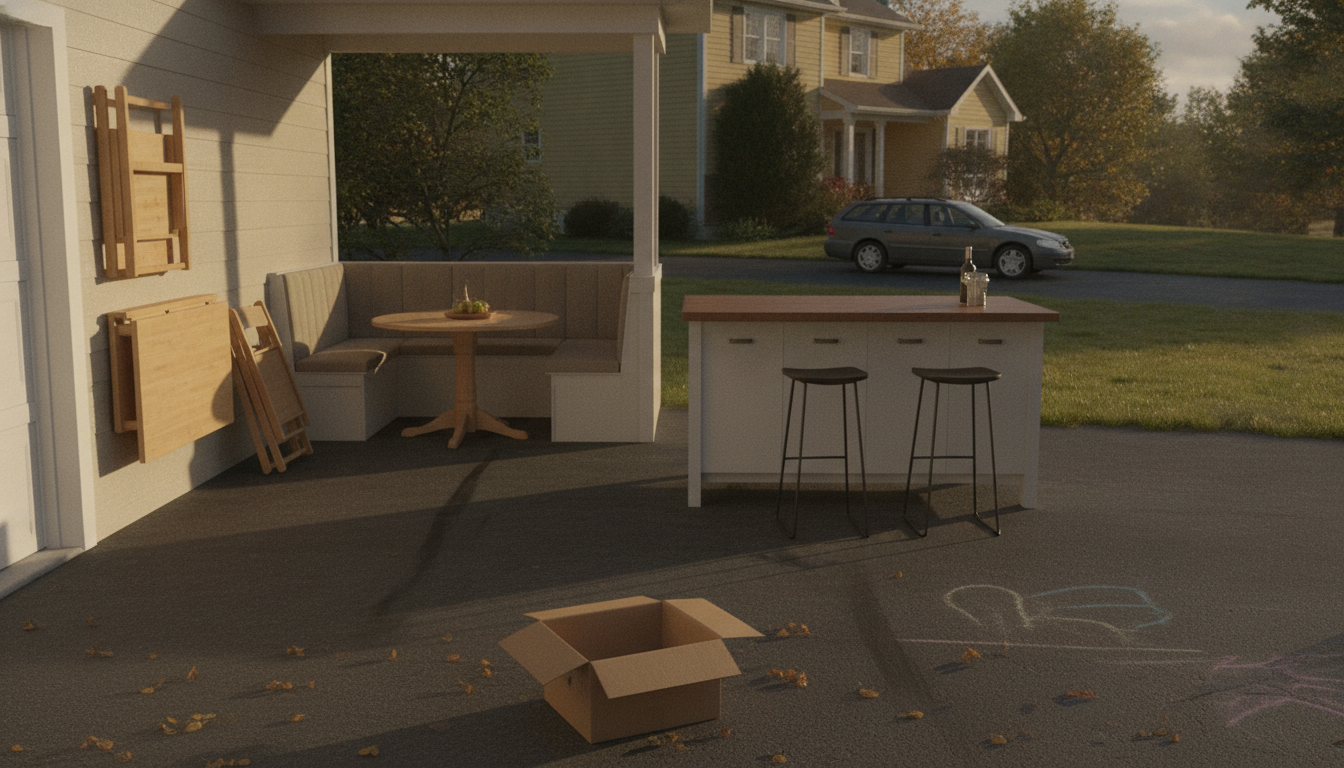
Islands act like command centers: prep space, casual dining, and a place to gather without dedicating a separate room to meals. Add counter stools and an island often becomes the everyday “table.”
Built-in benches (or a banquette with a small pedestal table) can tuck into corners that a standard table can’t use efficiently. They’re especially popular for families because they maximize seating while keeping walkways clear.
A slim console that opens into a full dining surface is a practical replacement when formal dining happens only a few times a month. Leaf extensions and drop-leaf designs offer similar flexibility without living large all year.
Some households lean into lounge-style meals: a sturdy coffee table, floor cushions, or a sofa tray setup. It’s casual, cozy, and works well in small living rooms where a dining set would overwhelm the space.
These fold down when not needed, making them ideal for studios or multipurpose rooms. Paired with stackable chairs, they create a dining moment that disappears afterward.
For more ideas and examples of how homes are shifting away from the traditional setup, see the full guide here: https://alazare.com/what-s-replacing-the-dining-table/.
Look for fold-down wall tables, extendable consoles, or a compact bistro set. If you already have an island or peninsula, adding comfortable stools can replace a separate table entirely.




Leave a comment