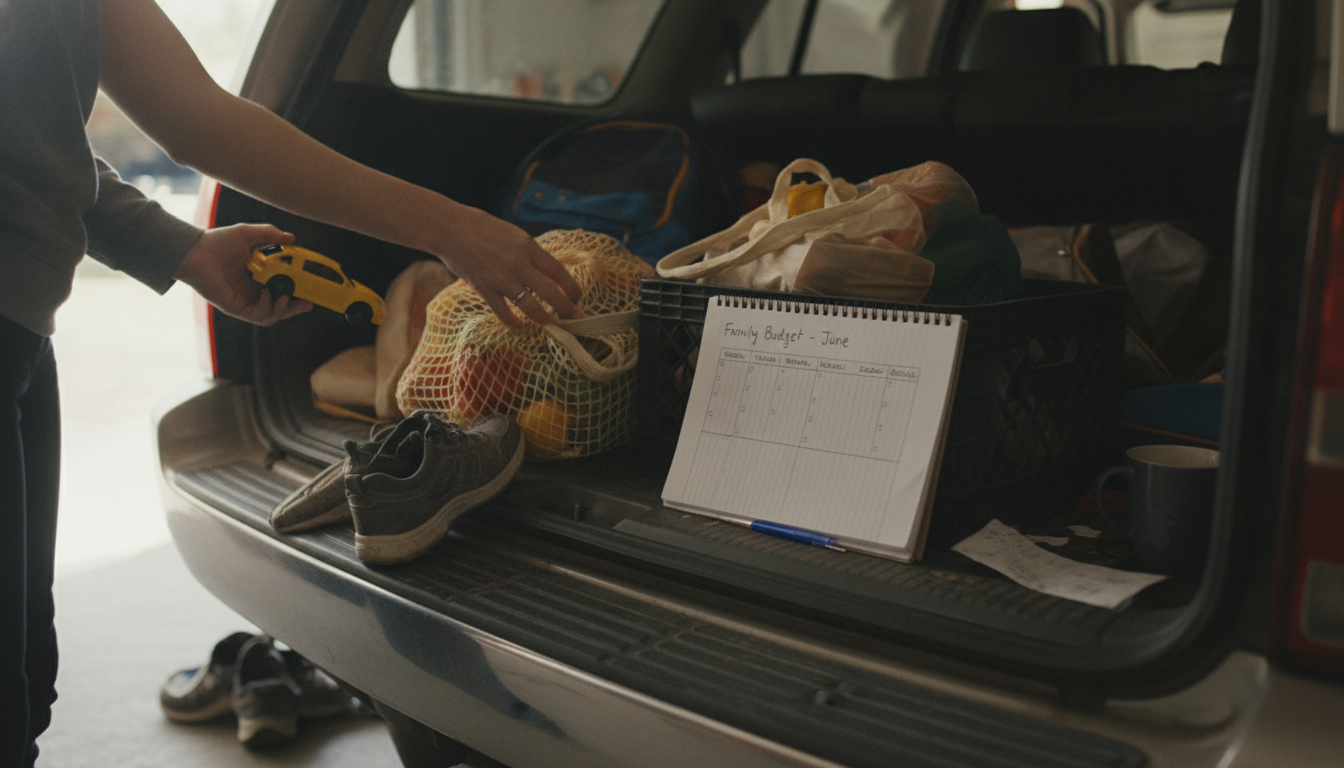
A realistic budget starts with one simple decision: what needs to be covered and what can wait. Most budgets work best when they’re built around predictable essentials (housing, utilities, groceries, transportation, insurance, minimum debt payments) and then expanded to include goals like savings, travel, or home upgrades. The “right” budget isn’t a fixed number—it’s a plan that matches income, lifestyle, and priorities without creating constant stress.
Begin with monthly take-home pay (after taxes and payroll deductions). From there, estimate your non-negotiables. If essentials regularly consume almost everything, the budget will feel tight no matter how well it’s organized. If there’s room left over after essentials, you can intentionally assign dollars to savings and discretionary spending instead of wondering where the money went.
Budgets feel tight when fixed costs are high, income is irregular, or unplanned expenses pop up without a cushion. They feel easier when you’ve built a small emergency fund, set clear spending limits for categories that tend to creep up (food delivery, subscriptions, impulse buys), and review the plan weekly so it stays realistic.
Many people start with a simple framework such as splitting money across needs, savings, and wants, then adjusting based on real bills and habits. The key is consistency: track spending for a month, make small changes, and keep categories broad enough that you’ll actually maintain them. If you want a deeper breakdown and examples, see the full guide here: What is the budget like?.
For What Is the Budget Like? A Simple Plan That Fits Life, the best answer depends on fit, material, care instructions, and how the product will be used day to day.
List your monthly take-home pay, subtract essentials first, then assign the remaining amount to savings and a few flexible categories like dining, entertainment, and personal spending. Keep it simple for the first month, then refine the numbers based on what you actually spend.





Leave a comment