Dog Car Seat Cover: Cleaner Seats, Safer Rides, Happier Dogs
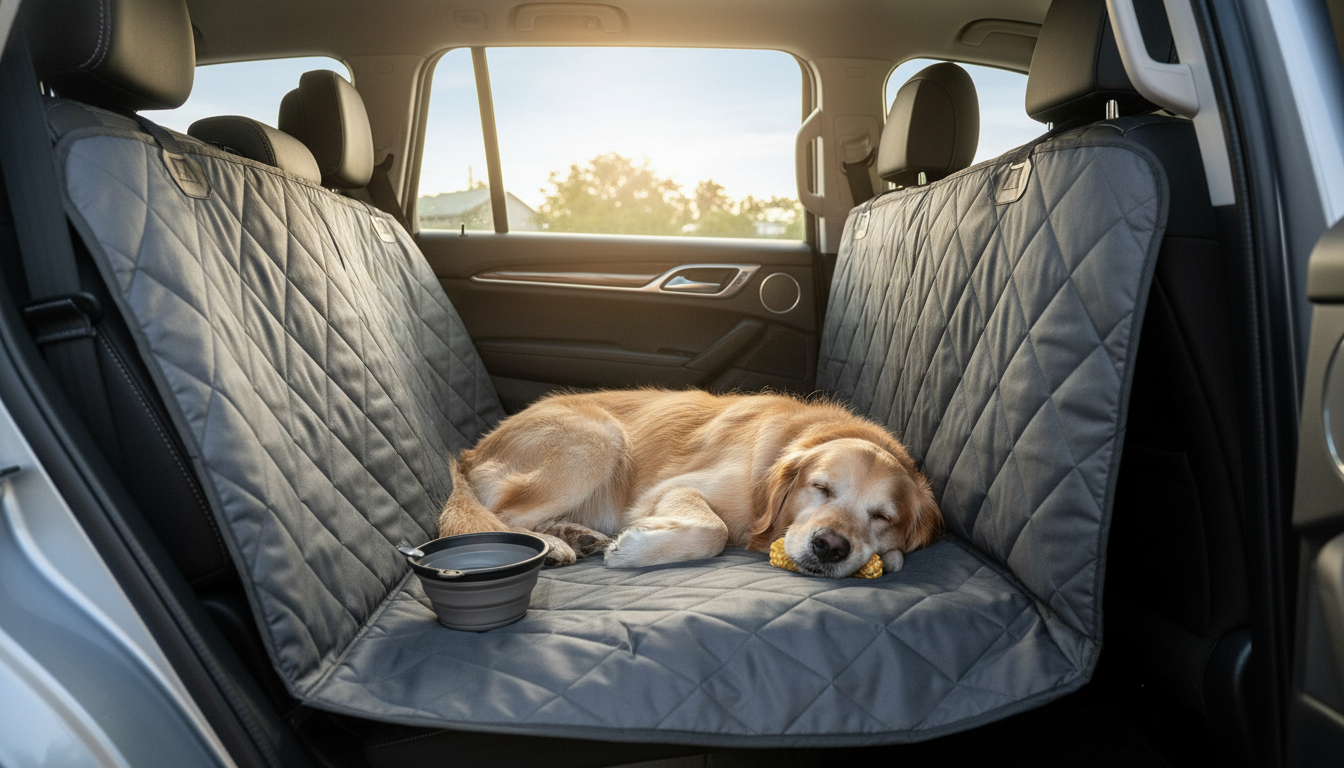
A quality dog car seat cover helps protect upholstery from fur, mud, drool, and claw marks while making rides more comfortable for dogs and less stressful for drivers. The right fit and features can also improve stability in the back seat and simplify cleanup after hikes, beach trips, and everyday errands.
- Creates a washable barrier between a dog and the car’s fabric or leather to reduce stains, odors, and embedded hair.
- Adds grip and a consistent surface so dogs slide less during turns and stops.
- Helps contain mess to one area, especially with side flaps and full-coverage designs.
- Does not replace a crash-tested harness or secured crate; it’s a protection and comfort layer, not a restraint system.
For guidance on safer travel setups (beyond seat protection), resources like the Center for Pet Safety and the American Kennel Club provide practical, research-backed recommendations.
Popular Styles and When Each Works Best
Picking a style is mostly about how your dog rides, how often you carry passengers, and where the mess tends to end up (seat, footwell, or doors).
- Bench seat cover: lays flat across the back seat; best for calm riders and quick installs.
- Hammock style: anchors to front and rear headrests to form a sling; helps prevent dogs from falling into the footwell and protects the back of front seats.
- Cargo liner: covers the trunk/cargo area for SUVs; ideal for larger dogs and gear-heavy trips.
- Split-seat compatible covers: allow one seatbelt latch or child seat position to remain usable while still protecting most of the bench.
- Door/side flaps: extra panels reduce scuffs on door cards and help keep dirt contained during entry/exit.
Seat Cover Styles at a Glance
| Style |
Best for |
Trade-offs |
| Bench |
Everyday rides and easy removal |
Less containment; dogs may step into footwell |
| Hammock |
Active dogs, better containment, front seatback protection |
Can limit rear passenger leg space |
| Cargo liner |
SUVs, large breeds, outdoor gear |
Not suited for sedans; requires cargo tie-down points |
| Split-seat |
Families needing access to a seatbelt/child seat |
Slightly less full-coverage depending on design |
Features That Matter Most
- Material and backing: waterproof or water-resistant layers protect against wet paws; non-slip backing helps keep the cover from bunching.
- Anchors and straps: headrest straps plus seat anchors reduce shifting; sturdy buckles last longer.
- Stitching and edge binding: reinforced seams resist tearing from repeated digging and jumping.
- Access points: seatbelt openings or latch access makes it easier to use a dog harness tether or a passenger seatbelt without removing the cover.
- Easy cleaning: machine-washable or wipe-clean surfaces save time; dark colors often hide dirt better but can show light fur.
- Size coverage: confirm measurements for the bench width and side protection to avoid exposed corners.
If you want a simple, all-purpose option for daily errands and weekend outings, a well-fitted Dog Car Seat Cover can help keep hair and grime from settling into seams and seat creases where it’s hardest to remove.
Comfort and Safety Pairings
- Use a crash-tested harness attached to the seatbelt system or a secured crate for travel; the cover supports comfort and cleanliness but doesn’t restrain the dog.
- Add a non-chewable tether only as directed by the harness manufacturer; avoid clipping to collars for vehicle travel.
- Keep airflow in mind: in warm climates, breathable fabrics and frequent breaks reduce overheating risk.
- For anxious riders: introduce the cover at home first, reward calm behavior, and start with short drives.
For additional pet travel basics (like managing stress and scheduling breaks), the ASPCA’s travel guidance is a helpful reference.
Installation Tips for a Secure, Wrinkle-Free Fit
- Vacuum seats first; grit under the cover can rub upholstery over time.
- Thread headrest straps straight (not twisted) and tighten evenly so the cover sits flat.
- Push seat anchors deep into the seat crease to prevent sliding.
- If using a hammock, verify it doesn’t block rear airbags (check vehicle manual and cover placement).
- After installing, test: have the dog step in, shift weight, and check whether the cover bunches near seatbelt buckles.
A good fit should feel “locked in” when your dog turns around or hops in—no rolling edges, no creeping fabric, and no blocked buckles when you need to clip in a harness.
Cleaning and Odor Control Without Damaging the Cover
- Shake out and vacuum weekly to prevent hair buildup and reduce lingering odor.
- Wipe muddy paw prints quickly with a damp cloth; avoid harsh solvents that can degrade waterproof coatings.
- For machine washing: use cold or warm water, mild detergent, and air-dry when possible to preserve layers and backing grip.
- Deodorizing routine: baking soda dusting before vacuuming or an enzyme cleaner for accidents; spot-test first.
A Practical Option for Everyday Use
Helpful Add-Ons for Longer Drives
For quick sips at rest stops (without sloshing water across your newly protected seats), a Portable Pet Water Bottle is an easy upgrade—especially for summer errands and road trips.
FAQ
Can a dog car seat cover be used with a seatbelt and harness?
Yes, as long as the cover has seatbelt access points or can be positioned without blocking buckles. Use a crash-tested harness and route the seatbelt correctly; avoid attaching restraints to collars for vehicle travel.
How do seat covers stay in place when a dog moves around?
Non-slip backing, headrest straps, and seat anchors tucked into the seat crease reduce shifting. Tightening straps evenly and smoothing wrinkles also helps prevent bunching near corners and buckles.
What’s the easiest way to remove dog hair from a seat cover?
Vacuum with a pet-hair tool first, then use a rubber brush or slightly dampened microfiber cloth to lift embedded fur. Washing periodically also helps remove oils that make hair cling.
Recommended for you



Leave a comment