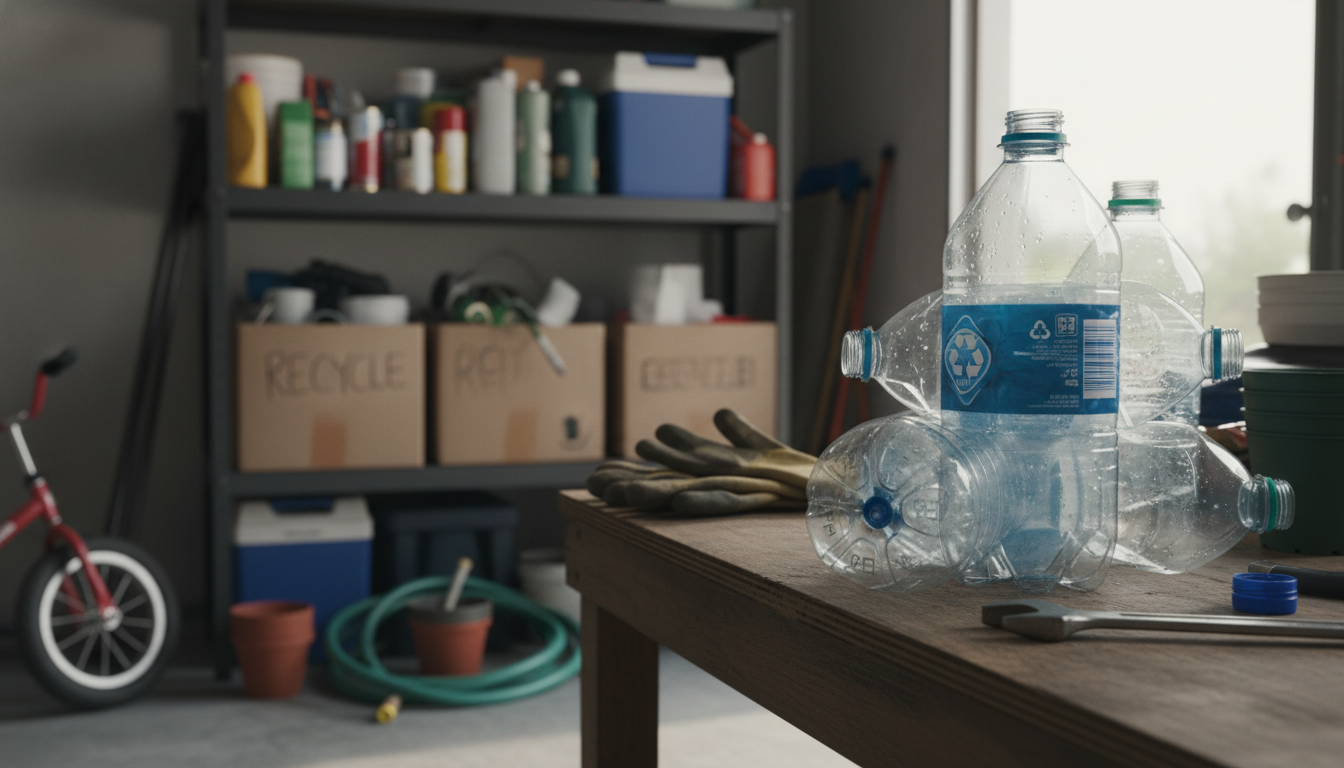
On a bottled water label, “PET” refers to polyethylene terephthalate, a lightweight, clear, and durable plastic commonly used to make single-use beverage bottles. You’ll often see it indicated by the recycling symbol with the number “1” (Resin Identification Code #1).
PET is popular for bottled water because it’s strong for its weight, helps protect the water during shipping, and is designed to be used once and then recycled. It’s different from “PETG” (a modified plastic) and different from “BPA-free” claims—PET bottles typically do not contain BPA because BPA is associated with polycarbonate plastics, not PET.
PET bottles are widely used because they’re cost-effective to produce, resist shattering compared to glass, and keep bottles conveniently portable. For shoppers, that usually means a clear bottle, a tight-sealing cap, and an easy-to-carry package for on-the-go hydration.
That said, PET is still plastic. Storage habits matter: avoid leaving bottled water in high heat (like a hot car) for long periods, and don’t reuse thin single-use bottles over and over, since wear and scratches can make them harder to clean thoroughly.
If you’re comparing options for everyday carry or travel, it helps to understand what the material label implies for durability, cleaning, and intended use. For a deeper guide on choosing, using, and cleaning a portable PET water bottle, visit this complete resource.
PET is widely used for bottled water and is generally considered safe for its intended single-use purpose. For best results, store it away from prolonged heat and avoid repeatedly reusing disposable bottles.
Yes, PET is commonly used for drinking water containers and is designed for food and beverage contact. Replace the bottle if it becomes scratched, cloudy, or develops odors.
Microplastics have been detected in various bottled waters, and shedding can come from packaging or handling. Reducing heat exposure and avoiding repeated reuse of single-use bottles can help limit potential release.





Leave a comment