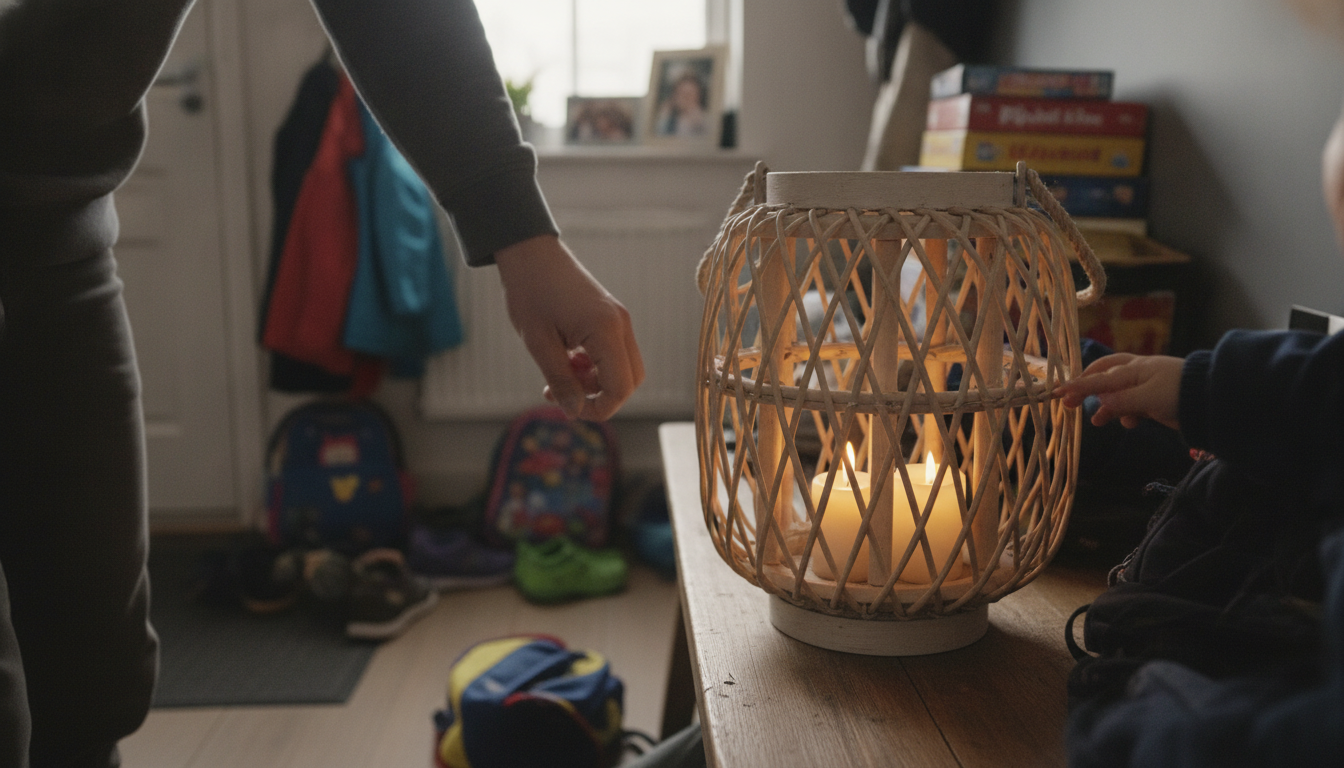
Warm white rattan lanterns look great with the soft flicker of a real flame, but rattan is a natural, porous material that can dry out and scorch when exposed to sustained heat. Because of that, LED candles are the safest default choice for most rattan lanterns—especially indoors, around kids or pets, or in any space where the lantern might be bumped or left unattended.
If you want a deeper dive on materials, heat clearance, and practical setup tips, see the full guide here: https://alazare.com/is-a-warm-rattan-lantern-safe-to-use-with-real-candles-or-should-i-use-led-candles/.
Real candles can be used in some rattan lanterns if the design includes a protective glass hurricane or a dedicated metal cup that keeps the flame centered and away from the weave. Even then, you’ll want generous clearance above the flame, a stable base, and a lantern large enough that heat doesn’t build up at the top. Use a short pillar or a container candle rather than a tall taper, keep the wick trimmed, and never let the flame sit close to the rattan walls.
LED candles provide the same warm glow without the risks of open flame, soot, dripping wax, or heat stress on the rattan. They’re also easier for everyday styling: place the lantern on shelves, near curtains, on covered patios, or in entryways without worrying about ventilation or accidental contact. For the most realistic look, choose warm white LEDs with a flicker effect and a timer.
If you choose a real candle, confirm the lantern is rated for candles (or clearly designed with a heat barrier), place it on a heat-resistant surface, keep it away from drafts, and never leave it burning unattended. If any part of the rattan feels hot to the touch, extinguish the candle and switch to LED.
Dust it regularly with a soft brush or vacuum attachment, then wipe gently with a slightly damp cloth. Let it dry completely, avoid soaking the weave, and keep it out of prolonged direct sun or heavy moisture to prevent warping and brittleness.






Leave a comment