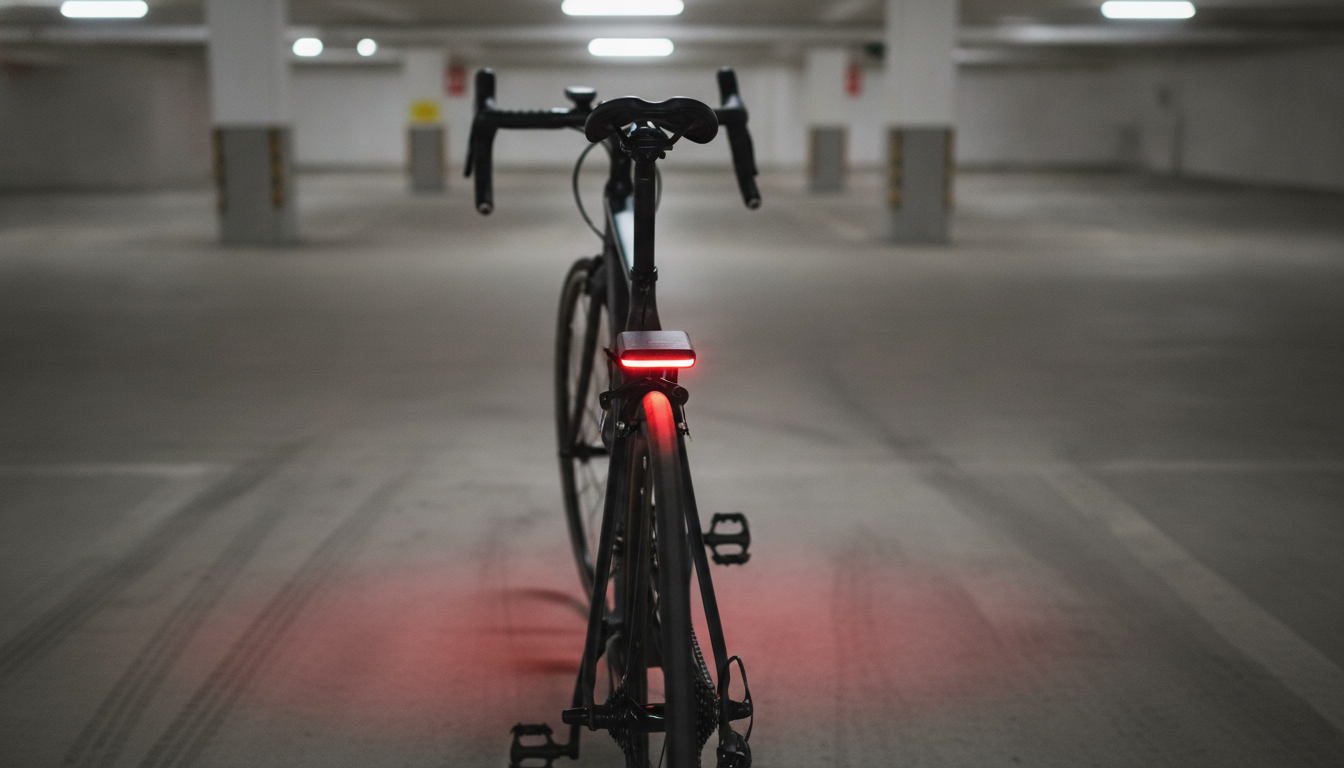
A smart bike light is a bicycle light that does more than simply turn on and off. It uses sensors, software, and sometimes wireless connectivity to adjust brightness, change modes, or communicate with other devices automatically. The goal is straightforward: improve visibility, reduce the chance of being overlooked in traffic, and make daily riding more convenient.
Most smart lights combine LEDs with built-in electronics that respond to real-world conditions. Some models use an ambient-light sensor to brighten at dusk or dim in daylight. Others include motion or accelerometer sensors that detect when you start riding, stop at a light, or brake suddenly.
Depending on the model, smart lights may also connect via Bluetooth to a phone app or cycling computer. That connection can unlock features like customizing flash patterns, checking battery status, receiving low-battery alerts, or syncing a front and rear light to match modes without pressing multiple buttons.
Lights that adjust output based on surrounding light can help you stay noticeable while avoiding unnecessary battery drain.
A rear light with brake detection can briefly increase brightness when you slow down, making your intentions clearer to drivers and riders behind you.
Some lights turn on when the bike moves and power down after a period of inactivity, which is helpful for commuters who don’t want to forget their lights.
App-enabled lights can simplify setup and provide more precise battery information than a basic indicator LED.
If riding regularly in mixed lighting, traffic, or urban environments, smart features can add useful safety and convenience benefits. Riders who prefer a simple setup may still be satisfied with a traditional light, but smart models can reduce manual fiddling and help maintain consistent visibility.
For a deeper breakdown of features and how they compare, see the full guide here: https://alazare.com/what-is-a-smart-bike-light/.
No. Many smart lights handle core functions like auto brightness, brake sensing, or auto on/off without a phone, while apps are mainly for customization, syncing, and battery or settings control.







Leave a comment