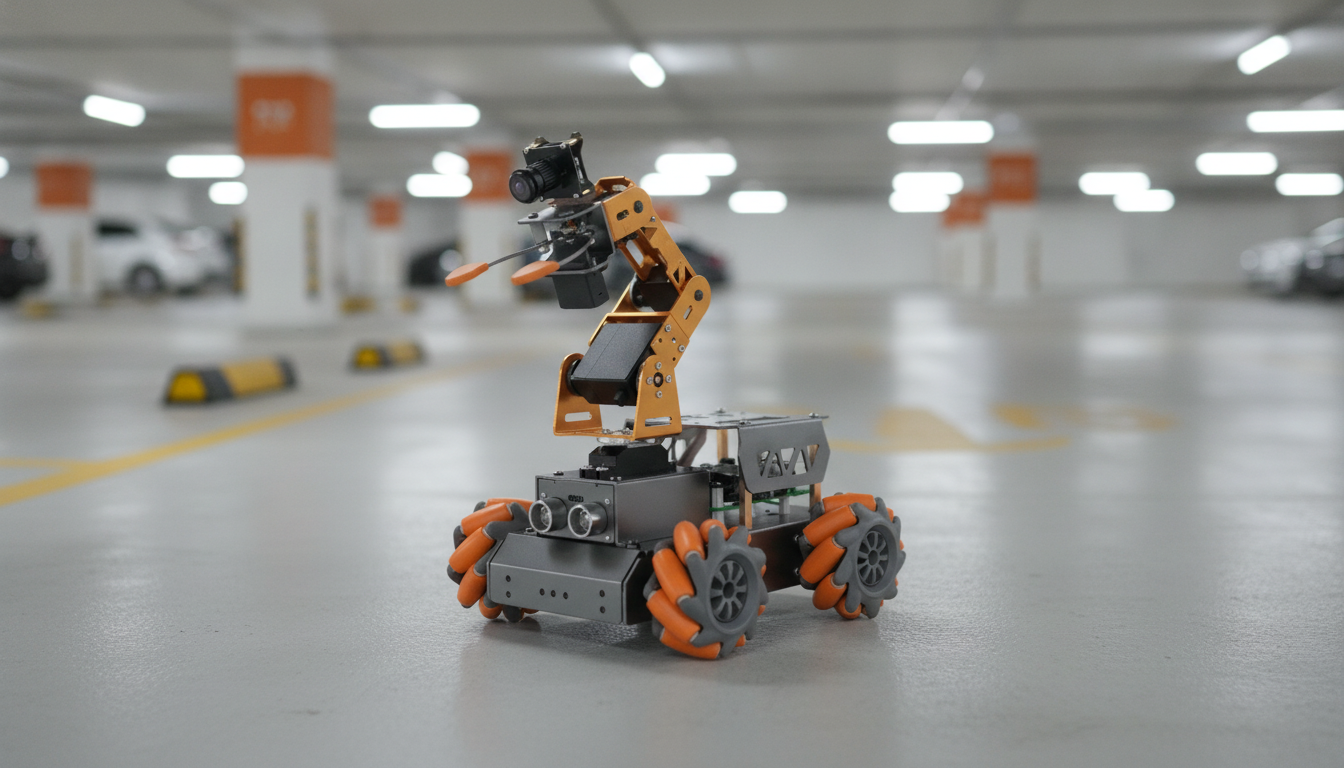
A beginner-friendly robot car kit with a robotic arm should balance easy assembly, clear learning steps, and enough capability to stay interesting after the first build. Start by checking that the kit’s difficulty level matches the builder’s age and experience, and that the instructions include diagrams, wiring labels, and troubleshooting tips.
Look for a kit with pre-drilled parts, keyed connectors, and a well-organized parts list. Clear manuals (and ideally video guides) reduce frustration when mounting motors, routing cables, and aligning the arm’s joints so it moves smoothly without binding.
Beginners do best with familiar platforms such as Arduino-compatible or micro:bit-based kits, or systems that offer both block coding and the option to move into text-based programming later. Make sure the kit supports the control style you want—Bluetooth app, 2.4GHz remote, or Wi‑Fi—plus a straightforward way to calibrate servos and set motor direction.
Check the arm’s degrees of freedom (how many joints move), the type/number of servos, and whether a gripper is included. Also verify payload limits—most beginner arms can pick up light objects like foam blocks or small plastic items, not heavy tools. Metal gear servos, sturdier linkages, and a stable chassis improve precision and reduce wobble.
Confirm how it’s powered (AA pack, 18650 cells, or LiPo) and whether a charger or battery protection board is included. A reliable power system matters because arms draw current spikes; undervoltage can cause resets and jitter. For younger builders, choose enclosed wiring, heat-shrinked connections, and clear battery-handling guidance.
A good starter kit leaves room to grow—extra sensor ports, add-ons (line tracking, ultrasonic obstacle avoidance), and standard mounting patterns. Also consider community support, replacement parts availability, and responsive customer service.
For a deeper breakdown of features to compare before buying, see the full guide here: https://alazare.com/what-should-i-look-for-when-choosing-a-robot-car-kit-with-a-robotic-arm-for-beginners/.
Metal chassis kits are typically sturdier and handle vibration from the arm better, but plastic can be easier to assemble and lighter on the motors. Choose based on whether durability or simplicity is the top priority.





Leave a comment