
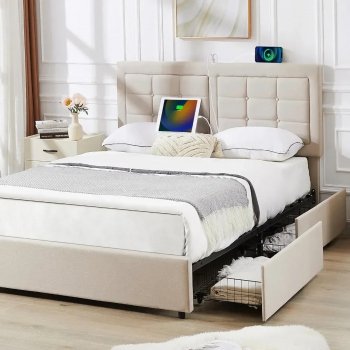
The cost of an upholstered bed frame typically ranges from about $200 to $2,000+, with most shoppers landing in the $400–$1,200 range for a well-made, stylish option. The wide spread comes down to what’s under the fabric (the frame and support system), how the bed is built, and how detailed the upholstery work is.
Budget ($200–$500): Often uses lighter materials, simpler headboards, and basic fabric choices. These can work well for guest rooms or lighter use, but may have fewer reinforcement points and simpler slat systems.
Mid-range ($500–$1,200): Commonly features sturdier framing, better joinery, thicker padding on the headboard, and a wider selection of upholstery fabrics. This tier is a frequent sweet spot for everyday durability and design.
Premium ($1,200–$2,000+): Higher-end upholstery, more substantial frames, upgraded hardware, and detailed tailoring (channel tufting, nailhead trim, extra-thick headboards). Custom sizing or designer fabrics can push prices further.
Size: Twin and full frames usually cost less; queen is the pricing “middle.” King and California king often cost more due to additional materials and reinforcement.
Upholstery material: Performance fabrics, genuine leather, and high-grade velvet typically add cost. Basic linen-look or polyester blends are often more affordable.
Construction and support: Solid wood framing, robust center support (especially for queen/king), and high-quality slats can increase price but reduce squeaks and sagging over time.
Design details: Tufting, wings, curved silhouettes, and decorative trim add labor and materials, which increases the total.
Factor in delivery fees, assembly (if not DIY), and whether a box spring or foundation is required. Some upholstered frames include slats; others need a separate support system.
For a deeper breakdown of pricing factors and what to look for before buying, visit https://alazare.com/what-is-the-cost-of-upholstered-bed-frame/.
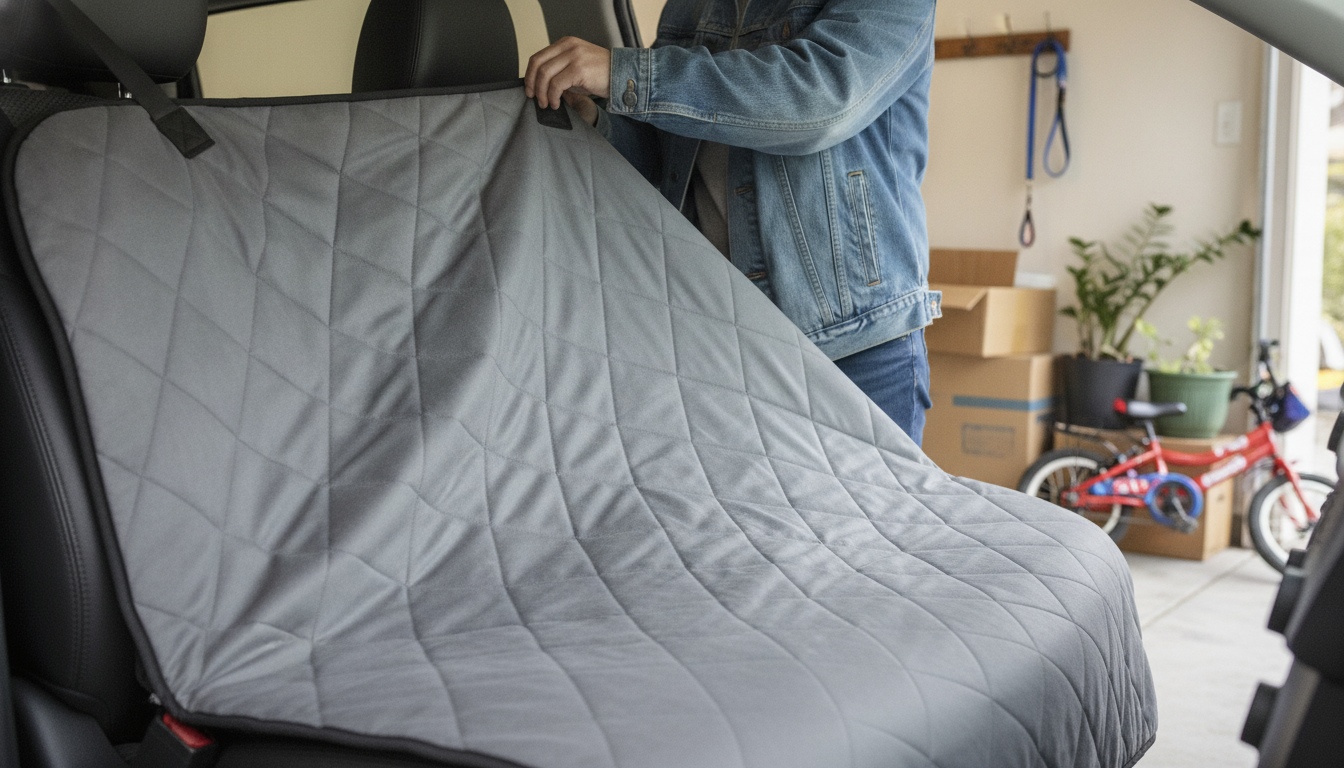
Prioritize durability and cleanability: performance fabric or tightly woven blends handle daily wear best, while velvet and linen-look options may require more careful maintenance. If pets or kids are in the home, stain-resistant finishes and darker or textured fabrics can help hide marks.



Leave a comment