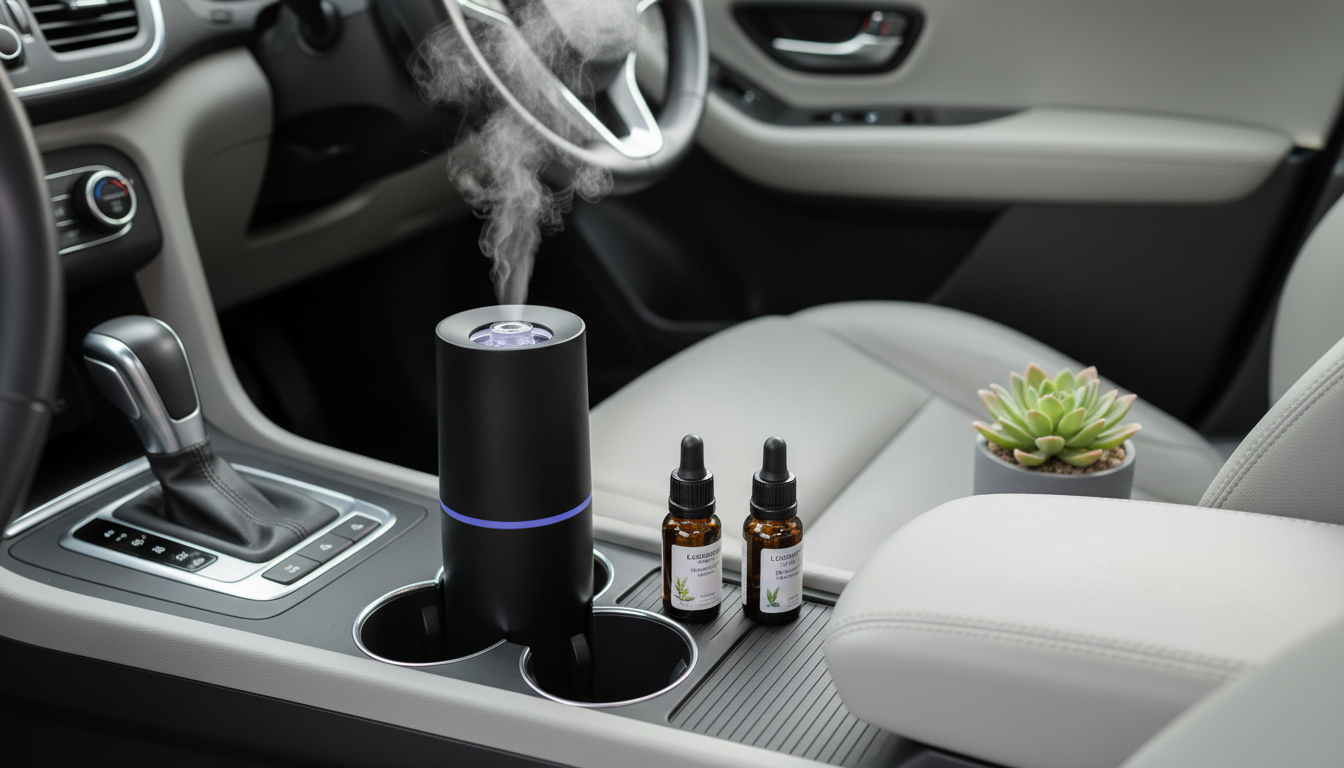
Yes—aromatherapy humidifiers can work, but “work” depends on what you want them to do. If the goal is to add moisture to dry indoor air, a true humidifier can raise humidity levels in a room. If the goal is to make a space smell pleasant and support a relaxing atmosphere, adding essential oils (when the unit is designed for it) can disperse fragrance alongside the mist.
An aromatherapy humidifier typically produces a cool mist by vibrating water (ultrasonic) or by evaporating it through a wick (evaporative). Some models include an aroma tray or a designated oil compartment so scent can be released without putting oils directly into the water tank. The humidity portion may help reduce dryness in the nose, throat, and skin, while the aroma portion provides a light, room-filling scent that many people associate with relaxation.
Not every humidifier is built to handle oils. Essential oils can degrade plastic parts, clog components, and leave residue that leads to odors or reduced performance. Look for a unit that explicitly states it is compatible with essential oils or has a separate diffuser/aroma pad feature. If it’s not designed for oils, it may still humidify well, but the aromatherapy add-on can shorten the device’s life.
Use the right device for the space size, and aim for an indoor humidity range of roughly 30%–50%. Start with a small amount of oil (or use the manufacturer’s recommended method), and clean the unit frequently to prevent buildup and microbial growth. If the primary goal is scent dispersion rather than humidity, a dedicated essential oil diffuser may provide a stronger fragrance with less moisture.
For a deeper breakdown of types, safety, and best practices, see the full guide: https://alazare.com/do-aromatherapy-humidifiers-work/.
Only if the manufacturer specifically says it’s safe. Oils can damage internal parts and create residue, so it’s usually better to use a model made for aromatherapy or one with a separate aroma tray.



Leave a comment